



Roy's Blog: Customer Service
December 13, 2012
Why is Baboo in Mumbai absolutely amazing at creating unforgettable experiences?
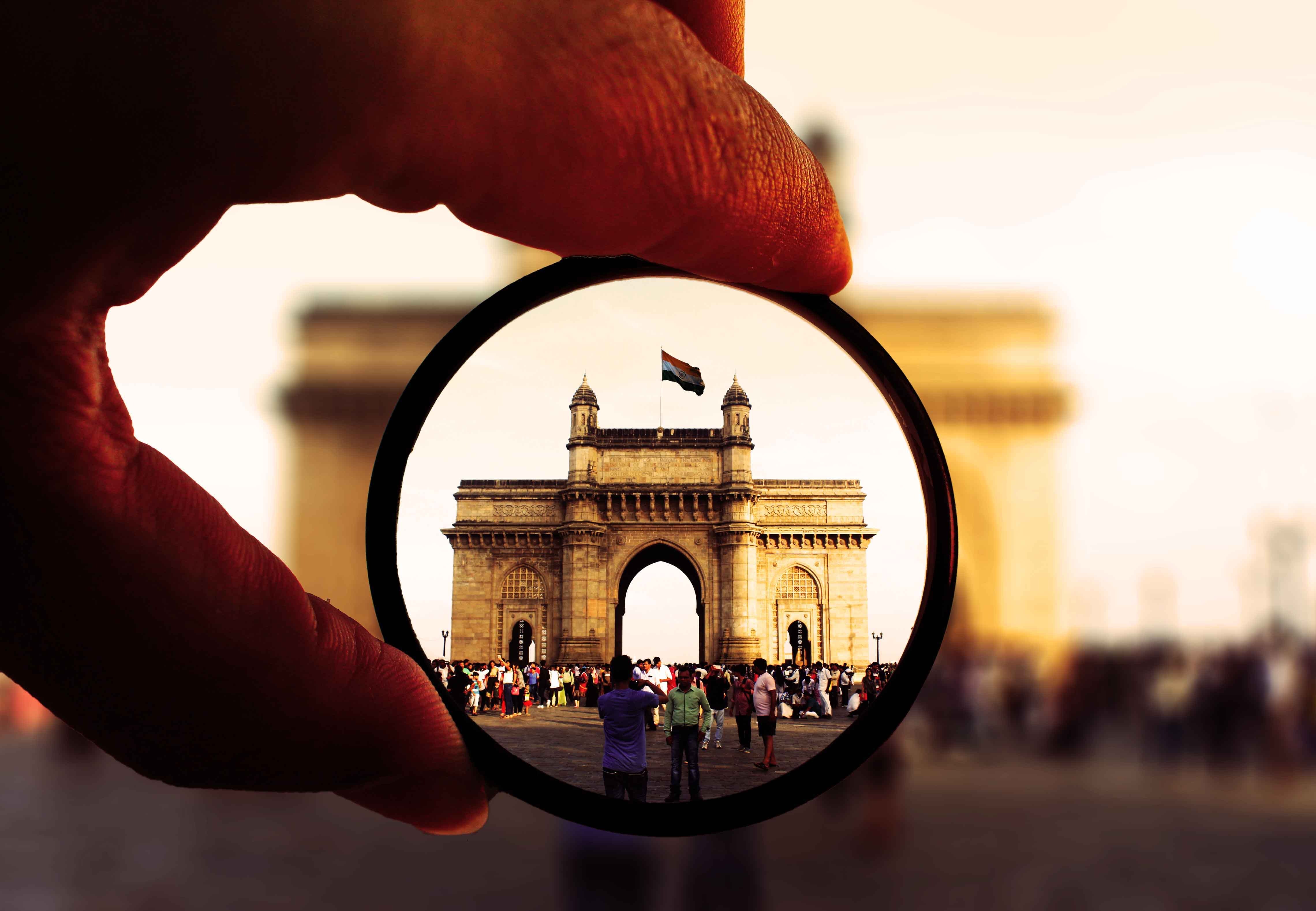
Source: Pexels
Why is Baboo in Mumbai India absolutely amazing at creating unforgettable experiences?
Mumbai, India.
It never ceases to amaze me how critical frontline people are in terms of creating lasting impressions on the people they touch
We have Baboo as our driver for the day. We easily negotiate a fare for the day. We ask him to show us the main points of interest and hit some of the better shopping areas. Off we go.
Mumbai is certainly a city of contrasts. Baboo doesn’t hide the poverty from us. He doesn’t make excuses for it. It simply is, and he factually reports on it. In fact, he actively embraces this side of his city to explain who is living in such conditions, and what they do to survive.
Like it or not, he puts the reality in our faces for us to understand.
He takes us to the Crawford Market where “Papa” (no doubt a colleague he has used many times before) guides us through a mosaic of businesses offering everything from fruits and vegetables to live animals.
Goats and birds occupy the premises. Men sleep above their cubicle stores. Not the pristine conditions of a modern supermarket, but Papa proudly delivers to us the amazing olfactory stimuli of the wonderful spices offered by his market friends.
Sellers are friendly. Not pushy. Remarkable in a very caring way.
Baboo asks questions. Many questions. And he listens intently. You know he wants to create the right experience for us. Shopping? What are we looking for? “No problem, I know a place.” is his consistent reply. And he delivers.
His excitement over what he discovers his own city is contagious.
We stumble upon the Tiffin-Wallahs, locals who pick up and deliver lunches to workers throughout the city. Mumbai is the only place in the world with this pick up and delivery system he tells us — another delightful harmless story.
They are loading the lunches on their bicycles for delivery. At Baboo’s shouts of encouragement, we jump from the car and snap pictures of this scarce opportunity.
You would think we’ve stumbled on an ancient treasure.
Maybe we have.
Baboo tells us what Gandhi allegedly said ‘Someone is always right’. And he adds his own spin: The customer is always right. Then goes on to explain to us how important it is to make sure tourists see the many faces of his City in a way that makes them comfortable.
Maybe they will talk about his City. Maybe they will return. He hopes.
After more shopping stops, lunch (and shopping) at The Taj Mahal Hotel, and a visit to the Outdoor Laundry area we are safely delivered back to our ship. Baboo asks more questions. ‘Were we happy with him today?’; ‘Did he do what we wanted of him?
We assure him that he was amazing and we stumble out of his chariot, exhausted.
Again, like Nasr in Petra, Jordan and Mohamed in Safaga, Egypt, I have discovered someone who passionately gets it.
A simple philosophy. Challenging and volatile environments. Executed brilliantly.
Leaving memories to cherish forever.
Thanks Baboo.
Cheers,
Roy
Check out my BE DiFFERENT or be dead Book Series
- Posted 12.13.12 at 10:43 am by Roy Osing
- Permalink
November 5, 2012
11 simple ways great leaders micromanage ‘the customer moment’

Source: Pexels
11 simple ways great leaders micromanage ‘the customer moment’
Leaders must micromanage the customer moment
I know, leaders are supposed to set the tone and direction for the organization and then let people drive to deliver the results expected. A Leader that micromanages is often scorned and encouraged to “get out of the kitchen” and let the workers do their thing.
There is, however, one area that not only needs leadership hands-on involvement, it demands it if success is the end game.
The customer moment: that special instant when your most precious asset touches your organization. The moment of truth when things will either go brilliantly well or horribly wrong.
The moment when, based on the outcome, your customer will decide to either continue doing business with you or leave you and scream how terrible you are to their friends.
This moment requires an active deep-dive by the leader to ensure that the customer is
▪️ DAZZLED;
▪️ SMITTEN;
▪️ WOW’D;
▪️ BLOWN AWAY;
▪️ LEFT BREATHLESS.
This moment requires the leader’s fingerprints.
Here are 11 things leaders should do to micromanage the customer moment:
✔️ Tell your organization what you are up to and why it is so critically important to have blazing moments with your customers. Make sure everyone understands why you are getting into the engine room and getting your hands dirty. It’s not a trust issue; it’s a strategic one.
✔️ Declare what you expect every moment to look like; the key behaviors you expect.
✔️ Monitor moments. Open up your calendar to get to the frontline and witness how moments are being handled.
✔️ Provide real time feedback and coaching to your people engaging with moments.
✔️ Show ‘em how it’s done. Take some moments yourself and paint your folks a picture of what you expect a moment to be for the customer.
✔️ Catch them doing the right thing. Praise someone who has just handles a moment brilliantly. Recognize them to their peers.
✔️ Take notes of the things that get in the way of people being able to deliver dazzling moments. Rules, procedures and policies that are barriers to WOW!.
Be the champion who goes back inside the organization and removes the Grunge that prevents the frontline from doing what they have to do to achieve the right moment outcome.
✔️ Have fun. It you are seen to be enjoying the moment, they will too.
✔️ Be spontaneous. Show up unannounced. Leave your entourage behind. Make it about you, your folks and the moment.
✔️ Stream your experience to the rest of the organization. Publish what you learn in Roy’s moments for all to see and learn from.
✔️ Be consistent. Don’t let the flame diminish. Keep your fingerprint on the moment. If you let it wane in your personal priority list others will see, and conclude that the moment is simply another flavor-of-the-month.
Leaders: take personal ownership of the activities in your organization that are critical in delivering your business plan.
Do not delegate the stuff that will either make you win or lose. A customer moment is in this bag of stuff — Roy, do-it-yourself
It begs for your attention.
Cheers,
Roy
Check out my BE DiFFERENT or be dead Book Series
- Posted 11.5.12 at 10:52 am by Roy Osing
- Permalink
July 9, 2012
15 lessons you can learn from Lady Gaga

Here’s a quick overview of one of my discoveries on iBooks. It’s called “What you can learn from Lady Gaga” by The Editors of New Word City.
Lady Gaga was born Stefani Joanne Angelina Germanotta on March 28, 1986, in New York.
Who is she? She’s an inspiration to business if we listen.
Check out these lessons:
1. Focus is crucial to success.
2. Stay humble and focused on the work, not your ego.
3. Find your heroes and determine how they inspire you.
4. Find a mentor that you can learn from. Find someone you admire and ask them (with humility, charm, and warmth) for their input and help.
5. Be a sponge. Gaga inhaled the history of her world. Take concrete steps to learn everything you can about the history, idiosyncrasies, and influences in your chosen field.
6. Celebrate collaboration. Find your collaborators and nurture the relationships.
7. Find your fans. Lady Gaga knew she appealed to the lucrative gay market, and she assiduously courted it. Define, charm, and cultivate your first-users and core customers.
8. Be disciplined and discreet. Gaga tightly controls her image and guards her private life. Avoid oversharing and remember: there is no such thing as privacy on the Internet.
9. Mess with success. Gaga revised her sold-out show until it was up to her standards. Can your latest project use a boost, a tweak, that extra oomph?
10.Open up to inspiration. Inspiration keeps you fresh, feeds you ideas, energizes you, and nurtures your soul.
11. Surround yourself with talent. Don’t be afraid of being overshadowed - in fact, that should be your goal.
12. Take risks. Leadership is about being bold (not to be confused with reckless), breaking the mould, and knowing when a risk is worth taking.
13. Form an emotional bond with your customers. Define your emotional connection to your customers and actively work to deepen it.
14. Master social media to engage with your Fans.
15. Know what you want. Remind yourself everyday of what you want to accomplish - and what you need to do to get there.
Post this checklist on your wall.
Cheers,
Roy
Check out my BE DiFFERENT or be dead Book Series
- Posted 7.9.12 at 10:50 am by Roy Osing
- Permalink
June 28, 2012
Why ‘human being lovers’ are needed for amazing customer service

Source: Unsplash
Why ‘human being lovers’ are needed for amazing customer service.
Organizations that have a business plan and mission to delight their customers need to recruit people who like to deal with other people.
How can any organization provide amazing service if their people don’t like homo sapiens?
The most critical step if you want to amaze your customers is to hire people with the innate desire and ability to serve and please others
Why is it that we run into service people who obviously hate their job and would rather be taking inventory or working with technology rather than real people?
Why is it that frontline positions are filled with people who have a lot of seniority in an organization but basically don’t like working with other people?
Ever been in a restaurant and have been afraid that the server would either throw something at you or subject your underdone steak to the germ population residing on the floor of the kitchen?
First of all, there is no more important position in any organization that one that deals directly with the public.
These people should be called, as Tom Peters once called them, ‘Supreme Commanders’. They literally control all aspects of an organization that involve its brand: honesty, integrity, caring attitude, responsiveness and overall service quality.
In any call center operations, reps handle thousands of ‘moments of truth’ every single day! Do you think they could influence customer perception toward the company and subsequent decisions to buy a product or service?. No question.
Second, why would the leadership of the organization put anyone into such an important job if they didn’t have the requisite skills and attitude to serve other people? Beats me but they do.
I believe this dysfunctional behavior is due to the fact that they look at these positions as entry level junior jobs rather than a career destination responsible for influencing customer loyalty and long term profitability.
These actions can be taken to make sure you get people obsessed with serving people in frontline positions.
Recruitment — Ensure the recruitment guide asks the right questions to expose this virtue. I find that there are many of what I would call hygiene questions asked, but rarely do I find that the ‘love’ questions are absent to any significant degree.
The right question — Come right out and ask the candidate ‘Do you love people?’ and then ask them to describe 3 situations that proved it. You can tell quickly if the person is suitable to turn loose on your most valuable assets (customers) or not.
The ‘lover’ will tell you a story that makes you tingle; the rest will tell stories that leave you cold. Hire the ‘tinglers’.
Leadership present and accounted for — Have a senior person (an executive leader is the best choice) in the organization to participate in the panel interview process — I did this all the time.
This achieves three purposes:
— it shows people in the organization that hiring frontliners is a critically important matter;
— the candidate understands how serious the organization is about getting ‘people lovers’ in these positions;
— it enhances the richness of the interview itself in terms of the questions senior people bring to the table.
Training — Can you train people to like people?
My experience is a resounding NO! You either have an innate proclivity to like humans or you don’t; no amount of training will change that.
Training might influence how you behave — talk with a smile in your voice for example — and as long as the customer interaction is scripted you might get away with it.
The reality is, however that customers can’t always be scripted and sooner or later the trained frontliner will have to rely on their natural abilities to handle a challenging customer in an elegant and memorable way.
Where do human lovers hang out?
You should always have a frontline recruitment program underway to ensure that you are gathering the best people lovers you can to fuel the funnel created by employee turnover.
Tag ‘em early by going to schools at all levels and spotting the chosen ones.
Cheers
Roy
Check out my BE DiFFERENT or be dead Book Series
- Posted 6.28.12 at 07:08 am by Roy Osing
- Permalink