



Roy's Blog: August 2020
August 3, 2020
6 simple roles sales should play to be the best

Source : Unsplash
6 simple roles sales should play to be the best.
Forget that you’re in sales and that your role is sales.
Cast off this old school notion; you need to do other more important things to be successful in the sales profession.
Selling doesn’t come first, it comes last.
Sales is not the means to the end, it’s the end. It’s not the antecedent, it’s the consequence.
The biggest problem I see is that ‘get the sale’ drives sales behaviour as opposed to creating the right climate which consistently results in a sale.
The emphasis is on selling techniques — funnel management, cold calling, overcoming resistance and a plethora of other aspects of achieving a sale. Teaching focuses on making the sales process more efficient by emphasizing micro tools for managing the client.
The emphasis is on the wrong stuff if enhancing sales effectiveness is the end game.
Yes, the sales job requires a toolset to make it as efficient as it can be, but it more importantly in my view requires skills and competencies to create the right customer climate that nurtures buying — not selling. Making the customer want to buy as opposed to equipping the salesperson to flog their wares in a more productive fashion is the new sales approach.
These roles, and the training required to play each, should precede traditional sales training.
1. Relationship manager
If you’re selling anything, it’s a strong, healthy, intimate long term relationship with a client. A relationship based on mutual respect and trust and one which will produce sales results over the long term.
Building relationships is complicated and requires a specific skill set. And it starts with ‘loving humans’, the innate proclivity to like another person, get close to them and want to help them.
2. Strategist
The ability to develop a successful course of action in the face of uncertainty and unpredictability is critical to help a client. Proven competencies in considering market demand and competitive factors to formulate the appropriate way forward for a client is essential for consulting salespeople.
Business planning builds context for the solution sales eventually has to play into; no context = no sale.
3. Behavioural psychologist
If you can’t interpret your client’s actions how can you understand where they are coming from on a particular issue? You must acquire the skills to interpret the nonverbal clues they communicate — body language, tone of voice, facial expressions.
In many cases it’s the unspoken words that tell their story because sometimes they simply won’t tell you what they need, want or feel in words.
Your actions must be in sync with what your client is thinking; their behaviour says it. You must be able to understand it.
4. Conflict resolution specialist
Relationships always have conflict at one point or another, and it behooves the salesperson to know how to manage it with a client. Successful progress is only made when there is meaningful compromise that meets the needs of both parties.
If the salesperson doesn’t understand this reality and continues to ‘sell’, they will never get the client to buy.
5. Coach
Providing guidance and advice is often a required in a meaningful relationship. The ability to listen to what your client is saying, ask questions for clarification and offer a logical opinion based on your understanding of the client is invaluable.
And the fact that the client trusts you enough to engage you in one of their issues speaks volumes about the trust they have in your abilities.
6. A rock
Every once in a while a client has a crisis. Something unexpected strikes them. They lose a highly profitable customer to the competition. Their employees vote to strike after a lengthy labour relations negotiations. Their stock takes a tumble after their financial results underperform analyst expectations.
Your client needs someone to talk to; an ear to listen. They don’t want you to fix anything, just listen. And when you do, you’ve just earned the right to serve them a while longer.
Selling techniques are the entry stakes to sales; know them and participate in the game, but don’t rely on them to take you over the top.
Winning sales has much more to do with buying than selling.
Be competent at understanding what motivates people to buy and step away from the crowd; ignore them and be like every other struggling salesperson who may be amazing at the details of their craft but who never is in the top 10.
Cheers
Roy
Check out my BE DiFFERENT or be dead book series.
- Posted 8.3.20 at 06:09 am by Roy Osing
- Permalink
August 1, 2020
Advertising during COVID-19: what you should and shouldn’t do
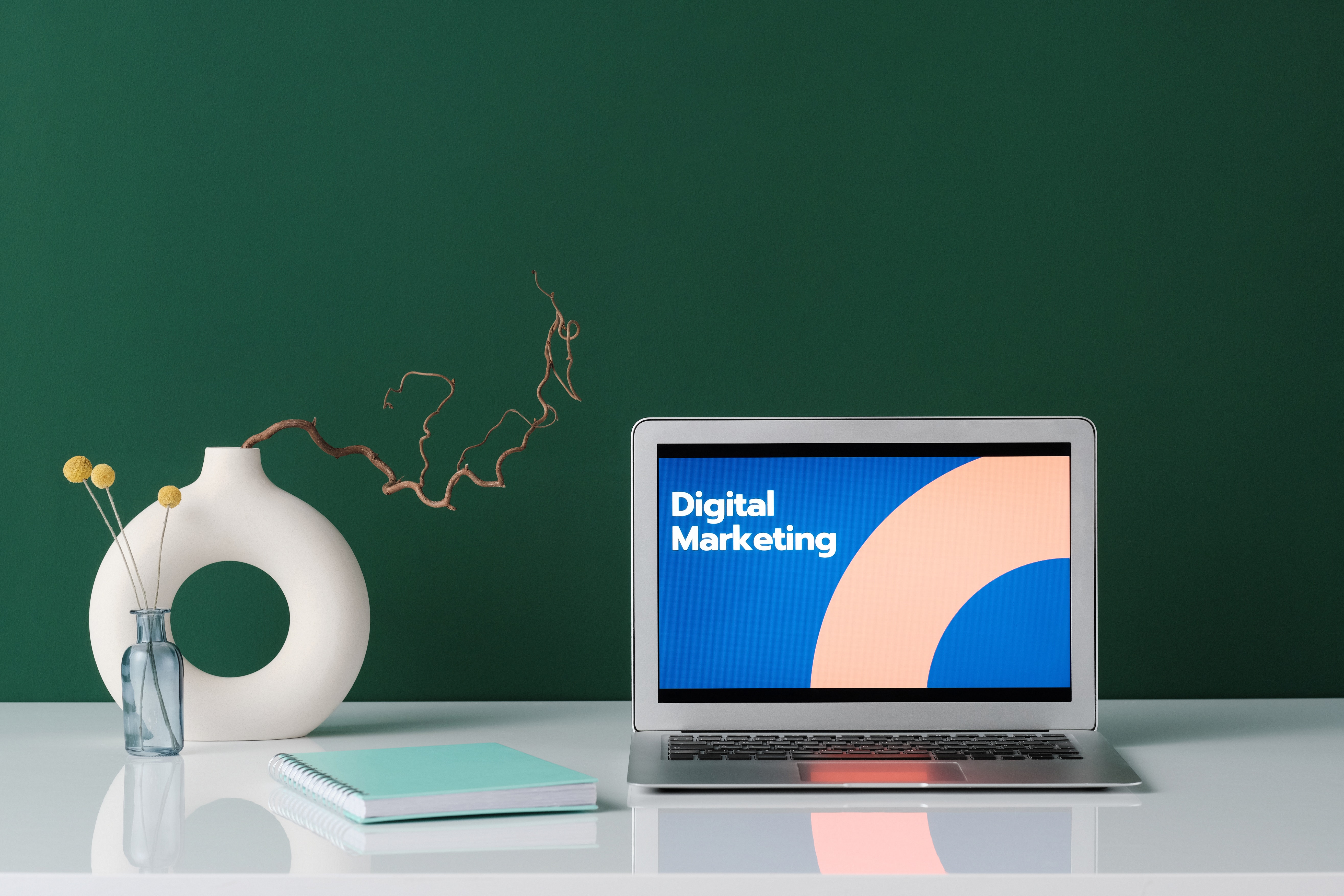
Source: Pexels
Advertising during COVID-19: what you should and shouldn’t do.
Half of 2020 has gone by, and for many parts of the world, there’s still no sign of COVID-19 going away. It has left people no choice but to adapt to the “new normal.”
Today, businesses have three choices - to pause and wait until this all passes, shut down for good, or take the challenge in stride. Some brands have had no choice but to go for either of the first two. Of course, there are still those who are fighting to keep their businesses afloat.
If you belong to the latter, whether you’re the owner of a small or big business or a marketing professional, you know that one of the areas that you need to focus on is your advertising.
Advertising or marketing a brand during the COVID-19 pandemic is tricky. It is unprecedented, so there’s no rule book that you can refer to that can tell you exactly what to do and how things will turn out. That said, here are some helpful advertising “dos and don’ts” that you can apply during the pandemic to get you started on the right track.
Advertising DOs you should follow
◾️ Stay true to your brand values — If you want to create and maintain a real connection with your customers, you have to be authentic. And this has to be reflected in your messaging. If you want your brand to stay relevant during the present crisis, you have to let your audience see what you stand for and how you respond to the challenges.
For instance, BEHR, a paint company that stands for the importance of making people feel great in their homes has acknowledged the sudden shift of a lot of workers to a work from home setting. And they also understood that many people have homes that aren’t as camera-ready.
Their move of coming up with BEHR Your Background, which is a library of styled home backgrounds available for free, says a lot about what their brand values are and what they really are all about.
◾️ Revisit your creative juices regularly — Circumstances change rapidly even amidst the pandemic, this includes market trends and consumer behavior. For this reason, it’s wise to consistently reassess your creatives as well as your messaging to make sure that you stay relevant.
Ford has received positive attention when they swapped their existing ads for ones that feature the brand’s revised car payment relief program during the COVID-19 pandemic, along with subtle reminders of how the car company has stood by their customers in past disasters.
According to Kantar’s research, people are beginning to get tired of adverts with generic messaging that look and sound the same as many others. While there’s nothing wrong about doing your part in reminding people of the importance of staying home and observing safety precautions, you have to think of ways to be memorable, too.
Heinz’s “12 million breakfasts” campaign is an example of an outstanding creative and messaging that is effective in showing people that their brand is actually doing something and looking out for others during difficult times.

◾️ Examine your web analytics and segmentation and adapt your strategy — When the landscape is as unstable as it is currently, it is imperative that you don’t just listen to your audience but that you be attuned to them. You may have to segment your audience to make sure that people get the message that would resonate with them.
One way to do this is by monitoring your web analytics to see how customer behavior is changing and then segmenting your audience based on those shifts. Some of the things that you should pay attention to are changes in streaming behaviors, psychographics, and significant lifestyle changes, among others.
◾️ Find out what media channels your audience spends time on — As mentioned above, customer behavior has changed since the pandemic. It’s evident in a number of ways, including how people consume media. Aside from the increase in mobile video and gaming category, there has also been an increase in consumption of CTV during daytime on weekends that resulted in an auction volume rise for slots between 12 noon to 4 pm and 6 pm to 9 pm. Desktop video auction volume has also risen during the pandemic.
◾️ Go for the premium options — Given the uncertainty of the world’s situation right now, consumers are more careful and are very particular with credibility. According to Adobe and YouGov’s recent survey, consumers are more likely to support services and buy products with ads that are found on premium or paid content channels.
While there is nothing wrong with using user-generated content, the survey found that adverts found on premium channels were deemed 20% to 50% more credible compared to the former. This is something that you really want to think about, especially if you are considering using only user-generated content during this crisis.
Advertising DON’Ts you should remember
◾️ DON’T assume people’s content consumption hasn’t changed — You can’t and shouldn’t assume that there haven’t been any shifts in the way your audience is consuming content, especially because so many things have changed in their lives. For one, the movie and television industry has taken an indefinite pause. Most live sports have either been canceled or postponed. And the “new normal” set up of working from home has changed the way people spend their time with their screens at home, too.
Track these changes and refocus your advertising efforts based on the results you get. If you continue to assume that your audience’s content consumption is unchanging, you are at risk of losing a substantial portion of your audience.
◾️ DON’T hastily restrict placement of your ads on COVID content — As this crisis of epic proportions continues, there are brands that have been quick to pull out their regular pre-pandemic conceptualized ads. Perhaps it’s all about sensitivity and they’re thinking about what people would say if they have ads placed within pandemic-related content. You might want to think it through before following suit, though.
Know that with the incredible amount of coverage the pandemic has been getting, blocking your ads means you’ll lose the opportunity to connect with potential customers. If you are worried about what advertising on such content would do to your brand image, you’ll be relieved to know that Integral Ad Science’s recent report shows that 78 percent of people stated that their perception and sentiment towards general ads appearing near COVID-related content would likely stay unchanged.
◾️ DON’T carelessly share insensitive or panic-inducing ads — It’s a very sensitive time and people’s emotions are triggered easily by the littlest things. Make sure that your ads are evoking positive feelings and that they don’t come across as insensitive or fear-mongering.
This is especially important if your products or services are considered non-essentials. For instance, an ad for a fast food restaurant that features people eating-out together won’t be appropriate at a time when everybody is encouraged to stay home.
When revisiting your creatives, ask yourself if there’s an element in your ad that could possibly induce panic, misinform your audience, or appear insensitive? It’s a good idea to get the opinion of your customers and your team before you launch an ad campaign to know for sure that you’re not missing anything.
Coors Light, for example, made a good decision of pulling the plug on their March Madness ad that was supposed to feature their brew as “the Official Beer of Working Remotely.” While the message is not malicious at all, it could still appear to some as if the brand was making light of the situation that many of the workers and companies are facing now.
Hershey’s has made the same decision, too, regarding their ads that focused on human interaction that would seem inappropriate during the COVID-19 pandemic.
Final words
Everybody is in a state of worry today, wondering how they can improve conversion rates and keep their brands relevant in the time of COVID-19.
Hopefully, the “DOs and DON’Ts” can give you some insight on how your advertising strategy should look like during the pandemic and help you come up with campaigns that would resonate with your audience.
— Vincent Sevilla is a professional web designer and inbound strategist for HostingFacts. His goal? To innovate ideas, create good art, and to travel to all the best places in the Philippines. You can follow him on Twitter @easyvince

- Posted 8.1.20 at 06:47 am by Roy Osing
- Permalink
August 1, 2020
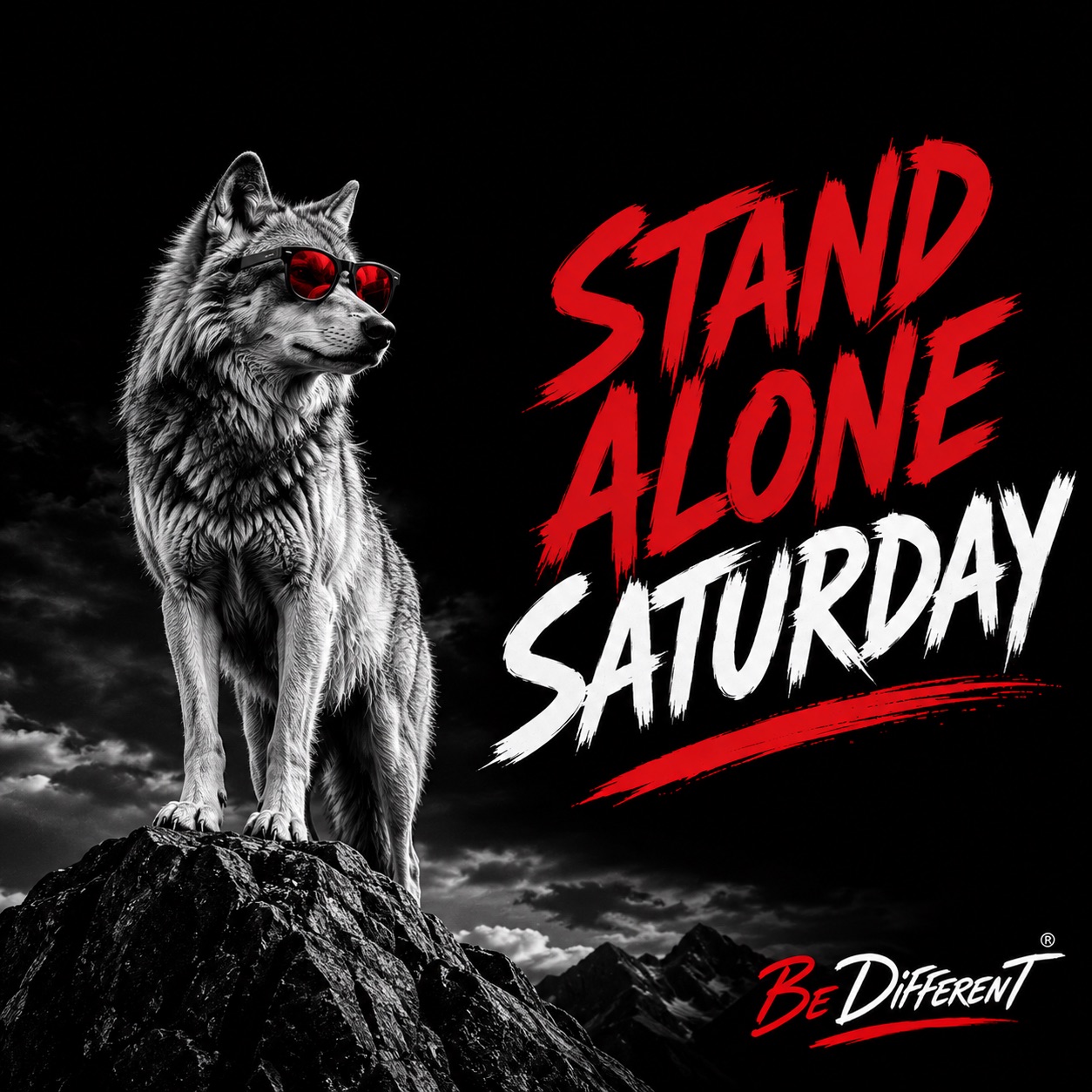
Stand Alone: Why Being Popular Is a Strategy for Failure
From Roy…
Every week I share Audacious Moves™—bold decisions, hard-earned lessons, or unconventional ideas drawn from decades of real-world business experience and success.
Bold Decisions Create Extraordinary Businesses and Amazing Careers.
I hope they help you create yours.
🚀 Stand Alone: Why Being Popular Is a Strategy for Failure
Everyone wants to be popular.
Bad strategy.
Popularity is simply another word for being like everyone else.
And if you’re like everyone else, you’re invisible.
In business, leadership, and life, invisibility is fatal.
🐑 Popularity Rewards the Herd
The herd celebrates people who fit in.
They dress alike.
Think alike.
Lead alike.
Talk alike.
Eventually they create the same products, the same services, the same experiences—and achieve the same mediocre results.
If the goal is popularity, other people’s opinions become the strategy.
That’s a losing game.
⚡ Standing Alone Creates Advantage
Every meaningful breakthrough started with someone willing to stand alone.
Someone prepared to challenge conventional wisdom.
Someone willing to ask,
“Why do we do it this way?”
Someone criticized before being celebrated.
Being different isn’t comfortable.
It’s valuable.
Competitive advantage has never come from copying the crowd.
It comes from doing what the crowd refuses to do.
🔥 Stop Chasing Validation
Too many people spend their lives collecting likes, applause and approval.
Who cares?
The marketplace doesn’t reward popularity.
It rewards value.
Customers don’t stay loyal because a company is popular.
They stay because it solves problems others won’t solve.
That’s the difference.
🎯 Build a Brand That Can’t Be Compared /
A personal brand—or a business brand—should never be built around fitting in.
It should be built around becoming the ONLY One who does what you do.
Stand for something.
Challenge accepted thinking.
Say something worth remembering.
Being agreeable is forgettable.
Being different is memorable.
💥 Authenticity Always Wins
Pretending to agree with everyone is exhausting.
Having the courage to be authentic is liberating.
Trust instincts.
Express original ideas.
Go against the flow when everyone else is swimming in the same direction.
The biggest opportunities are rarely found in the middle of the pack.
🚀 The Bottom Line
Popularity is temporary.
Differentiation creates value.
Popularity follows trends.
Being different creates them.
Stop chasing approval.
Start building distinction.
Because if the goal is to be popular…
The result is becoming forgettable.
And forgettable businesses, leaders and people don’t win.
🚀 What’s Your Next Audacious Move™?
Reading ideas is easy.
Acting on them, however, is what creates extraordinary businesses.
BE DiFFERENT or be dead™ is more than a philosophy—it’s about making the bold decisions others won’t.
🎙 Audacious Moves to a BILLION™
Every episode reveals a real-world Audacious Move™ we made while helping build a $1 billion business.
No theory.
No textbook clichés.
Just practical ideas, hard-earned lessons, and bold strategies you can apply to grow your own business.
🎧 Listen to Audacious Moves to a BILLION™ here.
📖 Want More Audacious Moves™?
The Audacious Unheard-of Ways I Took a Startup to a BILLION in Sales is the latest book in my BE DiFFERENT or be dead™ series.
Inside, you’ll discover the real decisions, unconventional thinking, and bold Audacious Moves™ that helped transform a startup into a $1 billion business—and how you can apply them to grow your own business.
📖 Get your copy here.
Extraordinary businesses aren’t built by ordinary decisions. They’re built one Audacious Move™ at a time.
Now go make yours…
Cheers,
Roy
- Posted 8.1.20 at 06:00 am by Roy Osing
- Permalink