



Roy's Blog: May 2020
May 9, 2020
How technology can both improve and hinder your sleep
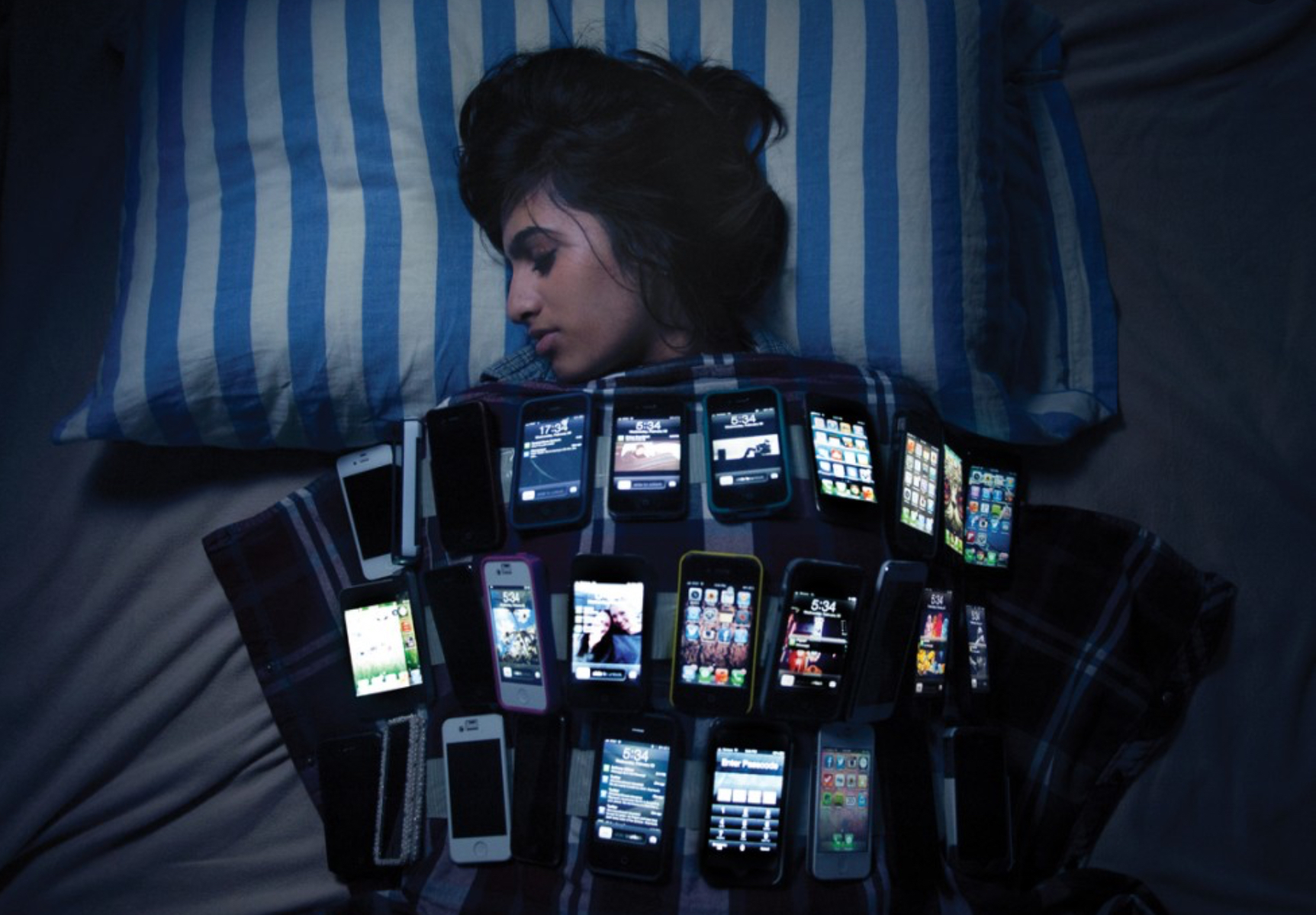
How technology can both improve and hinder your sleep.
In a world as constantly connected to technology as ours, taking time away from our phones and laptops is harder than ever.
Many people spend time surfing the internet before falling asleep, but using technology too close to bed can have negative effects on your overall quality of sleep and can ultimately impact your long-term health.
However, it’s important to note that not all technology is bad. In fact, sleep and technology can actually work synergistically to improve your overall health.
Keep reading to learn about the impacts that technology can have on your sleeping patterns and how to use technology to your advantage to get the most out of your sleep.
Blue light
Blue light is the type of backlight used by most electronic devices, such as computers and smartphones. It is meant to keep you feeling focused, alert, and awake, but can be harmful to your sleep when used right before bedtime.
Although some blue light is naturally occurring from the sun, we see much greater amounts of it on a daily basis due to technology use. Blue light can affect your circadian rhythm and melatonin levels, leading to reduced quality of sleep and feeling restless at night.
However, it’s important to remember that blue light isn’t all bad—when used at the right time and place, blue light is actually extremely effective for helping you feel alert and awake.
To help remedy the effects of blue light, try using a pair of blue light filtering glasses or a night shift filter on your technology—it warms the coloring of your screen to help mitigate the negative effects of blue light on your circadian rhythm.
Alternatively, try stepping away from technology for two hours before bed and opt for reading a book before falling asleep instead.
Overstimulation
In a world constantly connected by the news, social media, and instant messaging, it can be hard to take a step away from our technology and focus on the present. In light of the current global pandemic, it’s especially hard not to be on our phones reading the news to stay updated.
However, for both your physical and mental health, it’s important to disconnect from technology for a bit each day. In a time where so many of us are experiencing higher levels of stress and anxiety, taking time away from technology and going for a run, doing calming yoga, or reading a book are all great ways to focus on your wellness and health—and help you feel calm and relaxed before bed.
It’s crucial to remember that not all technology is bad for your sleep schedule. Health tracker apps and wrist wearables are both great tech inventions that can help you record and analyze your sleeping patterns, so you can determine any issues and work to fix them moving forward.
Whether you are investing in a smart wrist wearable or a free health-tracking app, taking time to look at your sleep habits is something with an extremely high return on investment for your health.
In the current health crisis, it’s normal to be experiencing things like elevated levels of stress and difficulty sleeping. While taking a step away from technology can be difficult, it’s important to put your phone down for a while so you can relax and get in the right headspace to fall asleep.
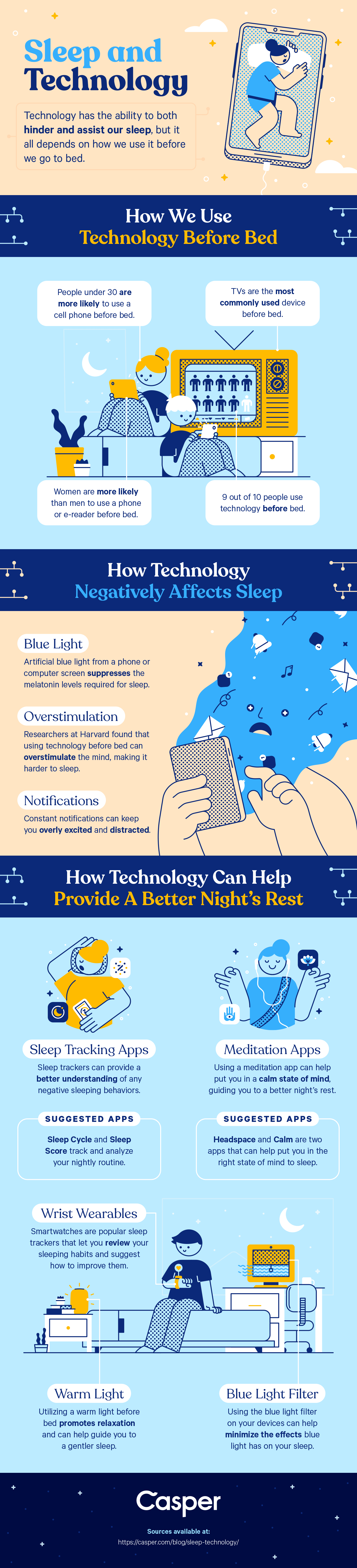
Interested in learning more about how technology can affect your sleeping habits? Check out the graphic courtesy of Casper below.
— Sierra Skelly is a creative writer and content marketer from San Diego. She writes for clients in a variety of industries ranging from personal finance to travel.

- Posted 5.9.20 at 04:57 am by Roy Osing
- Permalink
May 4, 2020
Customer service needs a major change for 4 simple reasons

Source: Unsplash
Customer service needs a major change for 4 simple reasons.
I’m really tired of hearing, reading and seeing claims organizations make about the customer service they provide.
They know if they don’t deliver great service, customers have many other options to consider. So they make outrageous declarations about the level of service they provide, and if they were all completely accurate our markets would be inundated by superlative service providers and customers who are blown away constantly.
But of course, this isn’t the case. In fact I’m inundated with complaints from people who are pissed off constantly with the service they receive from most of the organizations they deal with (I know there are exceptions, but most companies are challenged to make their service words and music actually line up).
Here’s why customer service needs a major do-over.
Because many policies are stupid
When a customer runs into an organization’s rule or policy they don’t understand or that doesn’t allow them to engage with the organization the way they want to, they freak out.
“I’m sorry we can’t sell you the T-shirt on the mannequin, it’s for display purposes only” pretty well describes the condition that drives customers crazy.
Or “You and your wife can’t be seated in a booth for your meal because booths are reserved for parties of four or more.” — BUT THERE’S NO ONE ELSE IN THE RESTAURANT!
The rules and policy systems in organizations need a major do-over.
Rules and policies in organizations are for the most part conceived to control customer engagement not to enable it. The auditors and folks in risk management define the process that satisfies internal concerns without regard for customer impacts.
Internal policies are a major “POF” in too many organizations and need a do-over to allow customers to transact with organizations in an easy manner; to empower THEM to define the rules of the game.
Because many service people don’t like humans
There are too many people in customer service jobs that shouldn’t be there because they don’t like dealing with humans.
You can spot them: they avoid eye contact, they try and move through you as fast as possible, they are borderline bullies and they could care less whether they satisfy you or not.
Recruitment practices need a major do-over.
Customer service should be treated as a priority in every organization and command the resources necessary to acquire the best, most caring people to work for their customers.
Why is it that the engineering function is paid more attention than customer service in terms of the quality of people hired? I’m not saying service is more important than engineering, but it’s at least as important.
What should you look for in recruiting new service people? Goosebumps.
Because cost trumps care
Leadership in most organizations view the service function as a cost to be controlled. For example, call centers are first consolidated and then outsourced to somewhere is the world where labour costs are low.
And they are managed to internal KPI’s such as call holding times — get the customer off the call as quickly as possible — without regard to call answer wait times at all. It seems leaders really don’t care that people wait 45 minutes to speak to a call center rep.
What’s important is that the costs of providing customer service are held in check.
The philosophy of running a service operation needs a do-over.
Customer service should be measured on how effective they are in creating memorable experiences for customers, not cost management. They should be viewed as a key driver of customer loyalty rather than a call processing cost reduction machine. There are very few examples of organizations that practice this philosophy, unfortunately, but one does exist.
Because service drives sales
As sales moves away from the product-flogging mentality to a focus on building strong relationships with clients, the importance of serving them in every way possible is on the rise. Clients are more likely to buy a product or service from a salesperson who listens well, takes the time to explore options, is always available and who is naturally empathetic with the client’s circumstances.
How the client feels about the sales engagement experience is rising to be the most critical element of their decision making process — whether they buy or walk.
The sales process needs a service do-over.
Serving a client in a caring way with the objective of creating a great experience for them should be a prime outcome of the sales engagement process because how clients FEEL about the sales experience determines whether they buy or not.
And the sales kit bag should be modified to include serving skills and methods in addition to traditional sales techniques.
For organizations aspiring to deliver unmatched customer service, they need to blow up the traditional sales model and be prepared to replace their operating model with a philosophy that places a priority on the service function.
Past service practices need to be replaced with new serving practices that focus on the experience created with a customer and the belief that a customer who is emotionally connected with an organization will buy — and continue to buy.
Cheers,
Roy
Check out my BE DiFFERENT or be dead Book Series
- Posted 5.4.20 at 05:45 am by Roy Osing
- Permalink