


Roy's Blog
May 9, 2020
How technology can both improve and hinder your sleep
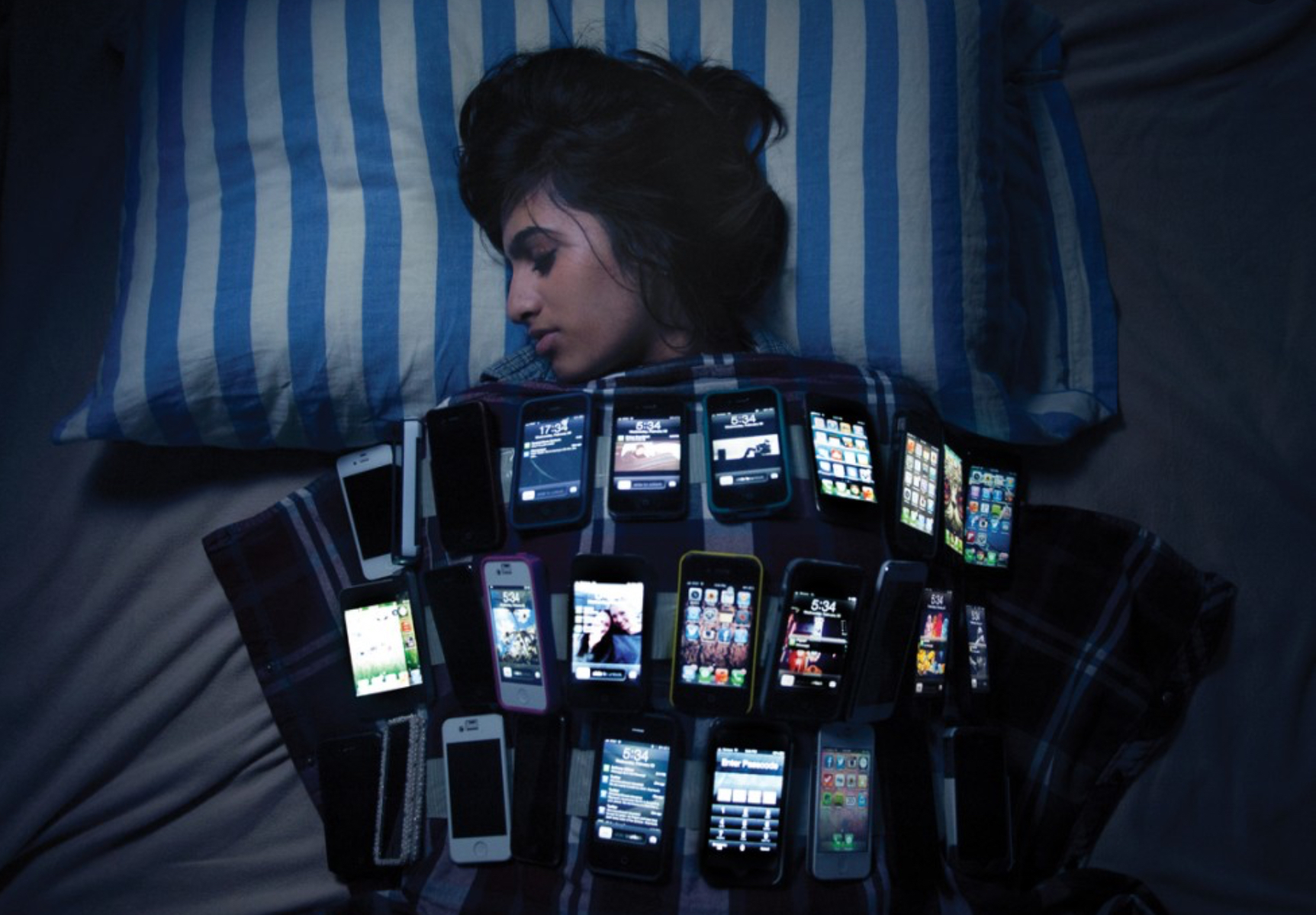
How technology can both improve and hinder your sleep.
In a world as constantly connected to technology as ours, taking time away from our phones and laptops is harder than ever.
Many people spend time surfing the internet before falling asleep, but using technology too close to bed can have negative effects on your overall quality of sleep and can ultimately impact your long-term health.
However, it’s important to note that not all technology is bad. In fact, sleep and technology can actually work synergistically to improve your overall health.
Keep reading to learn about the impacts that technology can have on your sleeping patterns and how to use technology to your advantage to get the most out of your sleep.
Blue light
Blue light is the type of backlight used by most electronic devices, such as computers and smartphones. It is meant to keep you feeling focused, alert, and awake, but can be harmful to your sleep when used right before bedtime.
Although some blue light is naturally occurring from the sun, we see much greater amounts of it on a daily basis due to technology use. Blue light can affect your circadian rhythm and melatonin levels, leading to reduced quality of sleep and feeling restless at night.
However, it’s important to remember that blue light isn’t all bad—when used at the right time and place, blue light is actually extremely effective for helping you feel alert and awake.
To help remedy the effects of blue light, try using a pair of blue light filtering glasses or a night shift filter on your technology—it warms the coloring of your screen to help mitigate the negative effects of blue light on your circadian rhythm.
Alternatively, try stepping away from technology for two hours before bed and opt for reading a book before falling asleep instead.
Overstimulation
In a world constantly connected by the news, social media, and instant messaging, it can be hard to take a step away from our technology and focus on the present. In light of the current global pandemic, it’s especially hard not to be on our phones reading the news to stay updated.
However, for both your physical and mental health, it’s important to disconnect from technology for a bit each day. In a time where so many of us are experiencing higher levels of stress and anxiety, taking time away from technology and going for a run, doing calming yoga, or reading a book are all great ways to focus on your wellness and health—and help you feel calm and relaxed before bed.
It’s crucial to remember that not all technology is bad for your sleep schedule. Health tracker apps and wrist wearables are both great tech inventions that can help you record and analyze your sleeping patterns, so you can determine any issues and work to fix them moving forward.
Whether you are investing in a smart wrist wearable or a free health-tracking app, taking time to look at your sleep habits is something with an extremely high return on investment for your health.
In the current health crisis, it’s normal to be experiencing things like elevated levels of stress and difficulty sleeping. While taking a step away from technology can be difficult, it’s important to put your phone down for a while so you can relax and get in the right headspace to fall asleep.
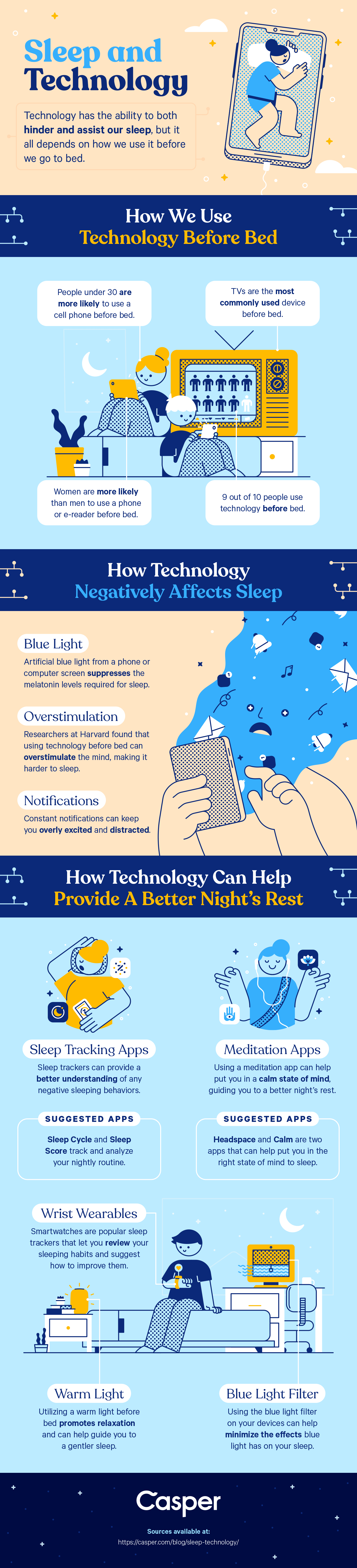
Interested in learning more about how technology can affect your sleeping habits? Check out the graphic courtesy of Casper below.
— Sierra Skelly is a creative writer and content marketer from San Diego. She writes for clients in a variety of industries ranging from personal finance to travel.

- Posted 5.9.20 at 04:57 am by Roy Osing
- Permalink
Feedback
To share your thoughts, please contact Roy.