



Roy's Blog
August 15, 2020
7 easy steps startups can take to make a winning pandemic strategy

7 easy steps startups can take to make a winning pandemic strategy.
Due to the pandemic, the business of many companies has been severely affected by sales and public perception. So, it is essential to study and adapt to new marketing actions.
Here are the top winning strategies that you must follow during this quarantine situation:
• Focus on customers
• Maintain your content
• Invest in advertising and actions related to population
• Online stores
• Focus on digital campaigns
• Webinars
• Train your team in the moment of crisis
The impact of COVID-19 on the economy
Coronavirus is a disease that has affected the world economy since its appearance.
It has disturbed many companies by preventing its total or partial operation. It has caused the slowdown in industries and the uncertainty of the stock market.
The current situation is challenging the market and putting pressure on brands to adapt to new strategic measures.
Thus, the services that work online and the products that can be delivered at home are clearly the most requested by consumers.
Importance of marketing efforts in the time of crisis
When it comes to pandemic situations, it is challenging to maintain business positioning. However, these crises are also a chance for businesses to increase their brand image.
So, marketing efforts are essential in the time of crisis because they convey the brand’s position regarding what is happening. They also relate to the target audience and credibility of the company.
Here are some specific marketing strategies to consider if you want to be a startup survivor:
1. Focus on customers — Customers are essential; we must take into account how they are facing these situations.
Some of your clients may be unemployed, so offer them facilities to enhance the trust level with them.
The public is spending much more time on social media networks and in search engines to distract themselves in quarantine.
So, having the right presence of your brand is essential to attract potential customers.
It is vital to maintain trust through solutions related to your business or service.
Sometimes, small adjustments to product distribution become a great benefit at the time of sale.
2. Maintain your content — It is time to improve the content of the blogs of your site.
In this situation, it is convenient to approach people and offer them essential reading blogs that are related to your business.
Check the syntax and grammar of your articles. Make your blogs unique after checking the duplication in them through plagiarism detection tool.
In this pandemic situation, reading has increased a lot as people are looking for useful articles to use their time.
3. Invest in advertising and actions related to population> — Advertisement is essential to maintain your brand image in the society.
It will give the brands more visibility, plus the customers will know that you continue to provide adequate services.
The pandemic brings an opportunity to motivate your customers through actions and plans focused on the population.
Donations and food collection campaigns can inspire your audience.
4. Start an online store — It is the perfect time to invent yourself by maintaining online stores since the public is more interested in the home-delivery of the products.
Offer discounts on your online stores to increase the relationship with the audience.
It would help if you established the strategy regarding the product distribution.
5. Focus on digital campaigns — With the slowdown of most physical companies, businesses are relying more than ever on digital strategies.
Digital brand marketing during this pandemic and in the future will change most of your small online businesses or start-ups.
Consider using Facebook ads, Google ads, LinkedIn ads, or Instagram for business to drive traffic on:
— Blogs and Videos
— Online products with free shipping
— Virtual service you can offer, i.e., online lessons
Don’t stop posting on social media even if your business is shut down in this pandemic.
You have to stay online to get connected with your audience.
6. Offer webinars — Another useful method to increase the interest in your company is by conducting webinars.
Invite anyone who wants to join to have a good time, especially learning new concepts and data.
Online training by conducting webinars is something that has increased in this pandemic situation.
Many people who did not have time in the past will have the opportunity to take courses and continue training to come out of this situation.
7. Train your team at the time of crisis — Dealing with the crisis is challenging since it is essential to have a highly prepared and trained team.
During quarantine, the remote work of the collaborators will be vital.
Therefore, the company must organize and maintain the processes that can be carried out remotely.
Companies must have an interdisciplinary team made up of specialist in:
— Public relations
— Financial management
— Social networks
If you have a start-up or small local business, the main priority for you should be the safety of your employees and customers. At the same time, the question comes, “What will be the future of my business?”
So it would be best if you reconsidered your goals for product release dates and sales revenue. Create a new business model and work plan, and bring them to the attention of your stakeholders.
If you think that the pandemic is for one year, then you need to reduce your variable costs and check the necessary expenses like rent of premises and equipment. You must only pick the necessary elements for survival in the lifeboat.
Summing it up
Start-ups and small businesses are also suffering from the severe effects of the coronavirus pandemic situation.
However, these strategies can reduce these damages and even reverse them into profitable opportunities.
We tried our best to explain the strategies that can be useful in the time of crisis. We hope they can help you in maintaining your business.
— Nathalie Wilson writes for SEO tool users and business marketers to make their websites rank, She has written for calculators.tech, and a number of other websites. She is a regular contributor of prepostseo.com with most of business, digital marketing and SEO related articles.

- Posted 8.15.20 at 05:43 am by Roy Osing
- Permalink
August 10, 2020
5 simple ways you can win with a boomer boss

Source: Pexels
5 simple ways you can win with a boomer boss.
Ok, I’m a boomer and for those out there who are reporting to a boomer and are frustrated with trying to figure out who this dude is and how to achieve satisfaction in your job with them in control, this post is for you.
All I can give you is what I expected in my 33+ year corporate career as an executive leader; what I expected from the young professionals that suddenly found themselves reporting through to a mature leader.
My expectations may not be typical of all boomer bosses — I may be tougher than most — but they represent a good benchmark to have in mind.
If young professionals reporting to a boomer boss practise these 5 things, they will not only find their life easier, they will also suddenly find themselves in a favourable position for future advancement.
1. Get to know the boomer
You may not enjoy the prospect of reporting to a boomer, but in order to maintain a positive and rewarding experience while you’re putting in the time, it’s important that you gain an understanding of who they are and where they’re coming from. Knowing the boomer will at least explain why they act the way they do.
And if you understand what drives the boomer’s behaviour, you will be in a better position to respond in a manner that builds your currency with them as opposed to reacting negatively and diminishing your position with them.
Trust me: if the boomer sees that you’re interested in understanding them, the act itself will give an advantage over your peers who can’t be bothered.
If you know the boomer, you gain more control over your life and your destiny.
2. Honour the past
You will most certainly have new ideas that you feel will change the world, but don’t forget your boomer boss has a record of past achievements that they are proud of.
They worked hard to help move the yardsticks forward in the organization and won’t be thrilled if you want to take a demolition ball to the innovation taken in years gone by and morph to your new revolutionary ideas of the ways things should be done.
I’m not suggesting that you should keep your mouth shut and not advance your change agenda — in fact you must act on your personal vision — but do it in a way that recognizes the wisdom of the past and the benefits derived from decisions made yesterday.
It’s all about how you go about changing things. I respected the young professional that understood the historical context of why things were done a certain way, and gently suggested that the current context was different and therefore required a fresh approach.
Boomers have their frame of reference in the past, but are quite prepared to move forward when options are suggested in a thoughtful respectful way.
But boomers won’t likely be jerked around by someone who has not taken the time to at least acknowledge there are valid reasons the present times look the way they do.
3. Express a sentiment of loyalty
Your boomer boss has an investment in the organization; they have likely put in a substantial number of years to arrive at their current position. They probably have had only a few employers in their career — in my case only one! — and therefore they believe that loyalty is an important characteristic that an employee should possess.
Young professionals with boomer bosses should put a loyalty face forward even if they don’t really expect to stay with one organization forever. No, it’s not hypocrisy in action; it’s trying to maximize your benefits in the limited time you work for the boomer.
Boomers get that young people will likely move on fairly quickly, but they appreciate the demonstration of loyalty during the time they report to them.
I appreciated these 5 acts performed by highly mobile people that reported to me:
▪️Active participation in the culture of the organization; identify with its values that paint a picture of how people work together;
▪️Knowing the strategic game plan of the company and how each individual can contribute to long term strategic goals;
▪️Engaging in team projects that involve various other functions;
▪️Showing interest in career development activities.
Young professionals need to demonstrate ‘loyalty in the moment’ to gain the trust and respect of the boomer boss.
4. Zip it! when it comes to your personal stress levels
I know there is a huge conversation going on these days about managing stress in the workplace; mental health problems caused by excessive stress are serious and need to be solved.
And I also know that there are organizations investing in solutions to help employees deal with their stress levels.
But be careful — regardless of what you think your employee rights are — of how you present your needs and expectations regarding personal stress management rights to your boomer boss.
Remember they come from a place where stress was a fact of life and it had to be personally dealt with. They didn’t have mental health days and special rooms available to help alleviate their personal stress, so they are not likely to have the level of empathy for your circumstance that you expect.
It doesn’t mean they don’t care, just that they won’t feel they should help you solve your stress problem. They were on their own so they are likely to believe that you need to take personal ownership of your own issues.
And don’t get loose lipped around what your boomer boss should do for you. It’ll get you nowhere but reduce your currency, increase your daily ‘pain’ and potentially impair your future career prospects.
Your boomer boss assumes responsibility for their own issues; they don’t expect third party support.
5. Ask how you can help
Like it or not, boomers have a perception of young professionals that they feel entitled — to a six figure job in a few years, to time off for personal reasons, to stay away from work when feeling slightly under the weather and a myriad of other benefits the boomer didn’t receive.
So when you ask how you can help, it shows your boomer boss that you want to work hard and help solve the problems they are facing. The question is actually an entitlement neutralizer to the boomer; it helps dispel the notion that millennials are a crowd who feel they should get everything for nothing.
Teach your boomer boss that you’re prepared to give not receive, and watch how you will flourish.
The question young professionals have to ask themselves when confronted by circumstances that have them working for a boomer is ‘Do I want to stick to my ideals, fight every day and get nowhere or do I want to flex to my boomer boss, possibly learn a thing or two and keep my career moving forward?’
And, in the process, make the kind of change and contribution you really want.
Make the right choice if you have a boomer boss.
Cheers
Roy
Check out my BE DiFFERENT or be dead book series
- Posted 8.10.20 at 05:41 am by Roy Osing
- Permalink
August 8, 2020
6 brand-building strategies startups can use to compete with big brands
Source: Pexels
6 brand-building strategies startups can use to compete with big brands.
For every successful startup, there are at least a dozen that don’t see the light of the day. Many startups fail, not because of their intentions or the quality of their product, but because they couldn’t build a brand and set themselves apart from the competition.
Brand building is an integral part of business development and growth. Establishing a brand is challenging, even when you have ample resources at your disposal. It is more challenging for startups since they are new players in the market and often face budget and time constraints.
Being at a growing phase, startups struggle to compete with the business giants that have already established themselves as a brand. In such scenarios, you should be familiar with the right branding tactics to maximize your popularity among customers as a startup.
In this blog, we’ll explore essential brand-building strategies that will not only help you get started but also compete with the big brands in your niche. But before we dive into the nitty-gritty of branding, let’s define what we mean by brand building.
What is brand building?
Brand building is the process of promoting products or services of a business to consumers. The goal is to create a positive, unique, and lasting image of your business in the marketplace.
Creating a memorable impression and maintaining it over time can be a demanding task. However, a positive image is something that startups can’t afford to overlook because it provides a basis for all your communications, marketing, and promotional campaigns.
To help you start on the right foot, here are a few brand-building strategies that you can adopt to grow your startup in a saturated marketplace.
Brand building begins with a good name
Brand name plays a key role in what customers will think of the business. Unfortunately, many people rush to give their business a title and end up with terrible brand names. Take your time and choose a name that is easy to pronounce and makes sense.
It is said that you have 7 seconds to make a good first impression. If the consumers spend that seven-second window only to pronounce and understand your name correctly, then you are not on the right track. Therefore, choose an easy name that is relevant to your brand and clearly conveys the brand’s message.
Differentiate yourself
You may have a brilliant business idea and product concept; there is a good chance that someone else already has a similar product in the market. You need to research the marketplace and identify how your brand will stand out from your competitors.
Offer a unique value proposition and position yourself in a way that the users can see the advantage that your brands have over your competitors.
For startups, it can be the only way to survive and compete with established brands. Look for ways to be different no matter small or insignificant the difference might seem.
Create a visual identity
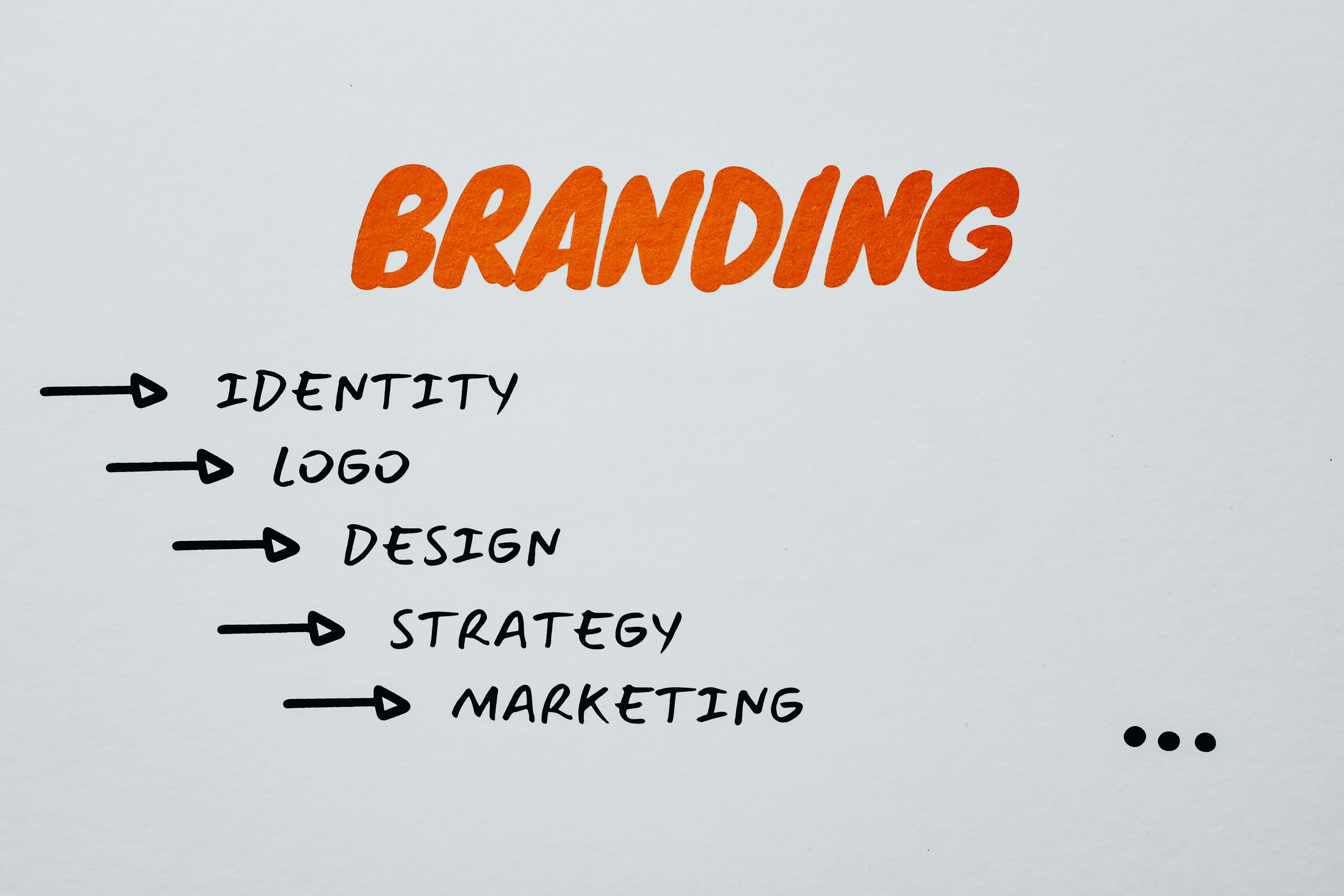
A startup’s visual identity goes a long way in the branding process. There are many factors that go into a visual identity, including the brand’s logo, the images posted on the web pages, fonts, textures, and the color scheme used across the media. Come up with a professional logo design and create photos that clearly and accurately represent your brand.
Since you will be working on a range of different platforms to build a visual identity, make sure that the communication remains consistent across all the touchpoints where potential customers will encounter the brand. This will ensure that you convey the right values and be perceived the way you want and not the other way around. A good way to achieve consistency in branding is by creating a written document that will govern your branding and style guidelines.
Build your social media presence
The importance of social media presence cannot be emphasized enough for brand building. Social media can be a powerful tool to gain exposure and reach your relevant audience. Think of LinkedIn, Facebook, Twitter, and Instagram to create a voice for your brand.
Research your target market and identify the platforms that your target audience actively uses. Once you identify the best platforms, it is time to create a company profile and utilize the power of the platform. Make sure that the pictures and cover photos you use match the brand’s visual identity.
To keep things simple, use the same logo and images you use on your website. Additionally, be consistent in communication and use language that accurately conveys the brand’s message in every post.
Utilize the power personalization
Tailoring your brand to your customers’ individual needs can have a massive impact on your brand building campaign. Personalization will, however, require extensive research of the market so that you can identify user’s interests and what makes them more likely to purchase a product.
Encourage users to interact with your brand and tailor the experience based on their interaction with the brand. Top brands always try to improve personalization and build products that meet customers’ needs and preferences.
Tell a story
When you look at the successful brands today, they all have a cult following based on their stories. For years, parents, teachers, and politicians have understood the power of stories, and you can utilize the same power in your brand-building efforts.
Share where your company comes from, and what inspired you to create the product that you currently offer. The deeper you dig into your brand’s background, the more you will understand your motivation, values, and purpose.
Wrapping up
Brand-building plays a vital role in a startup’s success. It will stand you apart from the competitors and help you build a lasting image in the marketplace. The above strategies will not only help startups with the process of brand building but also pave their way for long-term success. You only need to be clear about them and the way you will implement them.
— Alma Causey is a mother, wife, logophile and a professional blogger by choice. She has completed her masters in English literature from the University of Groningen. With her unique approach towards content marketing, she brings worth a second read blogs to life. Oh, Alma is incomplete without cats. Find her on Twitter: @Almacausey. And you can check out some of her past work at Muckrack.

- Posted 8.8.20 at 06:00 am by Roy Osing
- Permalink
August 3, 2020
6 simple roles sales should play to be the best

Source : Unsplash
6 simple roles sales should play to be the best.
Forget that you’re in sales and that your role is sales.
Cast off this old school notion; you need to do other more important things to be successful in the sales profession.
Selling doesn’t come first, it comes last.
Sales is not the means to the end, it’s the end. It’s not the antecedent, it’s the consequence.
The biggest problem I see is that ‘get the sale’ drives sales behaviour as opposed to creating the right climate which consistently results in a sale.
The emphasis is on selling techniques — funnel management, cold calling, overcoming resistance and a plethora of other aspects of achieving a sale. Teaching focuses on making the sales process more efficient by emphasizing micro tools for managing the client.
The emphasis is on the wrong stuff if enhancing sales effectiveness is the end game.
Yes, the sales job requires a toolset to make it as efficient as it can be, but it more importantly in my view requires skills and competencies to create the right customer climate that nurtures buying — not selling. Making the customer want to buy as opposed to equipping the salesperson to flog their wares in a more productive fashion is the new sales approach.
These roles, and the training required to play each, should precede traditional sales training.
1. Relationship manager
If you’re selling anything, it’s a strong, healthy, intimate long term relationship with a client. A relationship based on mutual respect and trust and one which will produce sales results over the long term.
Building relationships is complicated and requires a specific skill set. And it starts with ‘loving humans’, the innate proclivity to like another person, get close to them and want to help them.
2. Strategist
The ability to develop a successful course of action in the face of uncertainty and unpredictability is critical to help a client. Proven competencies in considering market demand and competitive factors to formulate the appropriate way forward for a client is essential for consulting salespeople.
Business planning builds context for the solution sales eventually has to play into; no context = no sale.
3. Behavioural psychologist
If you can’t interpret your client’s actions how can you understand where they are coming from on a particular issue? You must acquire the skills to interpret the nonverbal clues they communicate — body language, tone of voice, facial expressions.
In many cases it’s the unspoken words that tell their story because sometimes they simply won’t tell you what they need, want or feel in words.
Your actions must be in sync with what your client is thinking; their behaviour says it. You must be able to understand it.
4. Conflict resolution specialist
Relationships always have conflict at one point or another, and it behooves the salesperson to know how to manage it with a client. Successful progress is only made when there is meaningful compromise that meets the needs of both parties.
If the salesperson doesn’t understand this reality and continues to ‘sell’, they will never get the client to buy.
5. Coach
Providing guidance and advice is often a required in a meaningful relationship. The ability to listen to what your client is saying, ask questions for clarification and offer a logical opinion based on your understanding of the client is invaluable.
And the fact that the client trusts you enough to engage you in one of their issues speaks volumes about the trust they have in your abilities.
6. A rock
Every once in a while a client has a crisis. Something unexpected strikes them. They lose a highly profitable customer to the competition. Their employees vote to strike after a lengthy labour relations negotiations. Their stock takes a tumble after their financial results underperform analyst expectations.
Your client needs someone to talk to; an ear to listen. They don’t want you to fix anything, just listen. And when you do, you’ve just earned the right to serve them a while longer.
Selling techniques are the entry stakes to sales; know them and participate in the game, but don’t rely on them to take you over the top.
Winning sales has much more to do with buying than selling.
Be competent at understanding what motivates people to buy and step away from the crowd; ignore them and be like every other struggling salesperson who may be amazing at the details of their craft but who never is in the top 10.
Cheers
Roy
Check out my BE DiFFERENT or be dead book series.
- Posted 8.3.20 at 06:09 am by Roy Osing
- Permalink