



Roy's Blog: Careers
June 27, 2020
How women can be the best advocate for themselves and win at work

How women can be the best advocate for themselves and win at work.
It can be hard to navigate tricky situations at work, especially for women. Caught in the balance between wanting to be likeable and wanting to move ahead, it’s sometimes easier to put your feelings and needs on the backburner.
The truth is: we spend a lot of time at work. So it’s important that we cultivate an environment where we feel empowered, heard and seen without starting conflict.
One way to start down this path is to learn to speak up for yourself firmly but with understanding.
It’s always important to rehearse your input, speak calmly and clearly, and be direct with your feelings and needs.
Check out this infographic on how to self-advocate in the office.
— Emily Gibson is a content creator for Bestow. When she’s not typing away at a computer, you can find her hiking with her dog or watching live music.


- Posted 6.27.20 at 05:23 am by Roy Osing
- Permalink
June 8, 2020
How your performance can improve by looking 360 degrees around you

Source: Unsplash
How your performance can improve by looking 360 degrees around you.
I am a zealot about the 360 degree feedback tool of performance management.
360 feedback is not new, but in my leadership experience it is one of the most effective methods of assessing how you perform your responsibilities, and what you need to do to improve for future opportunities.
And it works for all sizes of business and not-for-profits.
There are two components of performance management that benefit from feedback:
Performance evaluation
The assessment of HOW you do are performing your role today: your behaviors and competencies, how others perceive you, your listening, planning, and goal-setting skills and other dimensions such as teamwork, character, and leadership effectiveness.
Performance development
Determining the things you need to do to improve your performance in the future.
360 Feedback provides a view of your performance not only from your boss, but also from your peers and others in the organization that interact with you on a regular basis.
Your peers provide the most honest appraisal of how you currently perform your responsibilities; next on the honest scale are your colleagues and the least honest is your boss.
Its not that your boss is incompetent, its just that they don’t get to see you every day doing your thing like others do. In addition your boss may be seeing your behavior through rose colored glasses, but your peers aren’t.
And they are not shy about giving you the feedback you need to hear.
In terms of identifying what you need to do to improve your performance, 360 Feedback provides a multi-dimensional view of what key changes you need to make.
Dysfunctional behaviors are identified - with no holds barred - along with specific strengths and other weaknesses that need to be addressed.
Action planning
Here’s how to get the most personal payback from 360 feedback.
▪️ make your target audience as robust as possible and thank them for helping you;
▪️ In addition to your direct boss, include their colleagues in your feedback list;
▪️ ask all your peers;
▪️ select other key individuals in the organization that are impacted by your work. I always included frontline people in order to see how well I was supporting them;
▪️ ask for feedback every six months;
▪️ communicate your results to your feedback audience. You may find this uncomfortable, but it is an expression of confidence and leadership people will notice and not forget;
▪️ build a feedback action plan to address address your shortfalls and continue to strengthen what you do well;
▪️ communicate your action plan to your feedback audience. Make sure they all know what you intend to do to improve your results.
The 360 Feedback method is only for people who really want to perform better and prepare for future opportunities — and for those who have the thick skin to accept honesty. Give it a try.
Cheers,
Roy
Check out my BE DiFFERENT or be dead Book Series
- Posted 6.8.20 at 01:00 am by Roy Osing
- Permalink
June 1, 2020
Why the best teacher on how to beat the unexpected is COVID-19

Source: Pexels
Why the best teacher on how to beat the unexpected is COVID-19.
My reader will recall that I believe success comes from the ability to react to a body blow, an unexpected threat that rocks you to your very soul.
It’s easy to achieve your objectives when things are playing out the way you expected them to, but that rarely happens.
It’s not that you don’t have the intellect to put together a good plan, it’s about the fact that the universe intercedes with random unexpected forces rendering your original plan irrelevant.
Recovery is the ability to not only respond to a body blow, but also to absorb its energy to do something remarkable in its face.
Making use of the energy of a random chaotic event to reach even greater heights is a bizarre notion, but a truism for those who understand it and who know how to use the force.
COVID is an unexpected event and it’s chaotic to say the least. It kills if it isn’t responded to in the right way. But on the other side of the coin, because of its extreme outcomes, it’s an incredible teacher for those who want to survive in the face of such pressure.
For organizations and individuals alike, here are 5 recovery tactics to be learned from this pandemic.
#1. Deal with the next 30 days
When a crisis hits, trying to develop a long term strategy to deal with it is a futile exercise. You have immediate things to do, and if you don’t, the longer term never shows up.
Survival tactics require that you do what is necessary NOW to get you through today, then repeat for tomorrow, then again for the next day…
Priority setting is important for your 30-day calendar, but I wouldn’t go overboard on it. Let your feelings, emotions and your gut lead you in terms of what’s really important to get on with in the moment.
And keep a journal of what you’ve done and the results you’ve achieved so you can learn from this recovery event the next time you have to do it again. And you will be in the recovery mode at some point in the future. Perhaps (hopefully) not a coronavirus response but something else unexpected will rock you eventually.
#2. Speed is the essence
Effective recovery needs speed not perfection. First of all, perfection doesn’t exist anyways, and even if it did, you don’t have the time to seek it. The clock is ticking when you’re in recovery mode, and every second you spend trying to discover the perfect response you’re survival is in jeopardy — btw, something is characterized as “perfect” only in retrospect when you look back on what you did and results. In the moment action is what it is, and can have no attribute characterization.
Pondering and tinkering are not your friends when you’re trying to stay alive, so forget about the grand plan intellectualizing that we’ve been taught in school.
Act NOW and learn as you go.
#3. Focus on the frontline
Survival demands that you figure out a way to keep delivering your products or services to people. Whether you’re in health provision, telecommunications, retail or food services it’s life-saving for you that customers continue to be served in one way or another. If you can’t figure out how to continue in a different way, government support will eventually run out and your business will die.
Your frontline people are the key to your survival. THEY are the connection between what you aspire to do and whether or not you’re able to do it. Frontline healthcare workers have proven the point in the most extreme sense, but the same principle is at play in every other type of organization.
When the body blow strikes, you don’t need employees with an impressive set of academic credentials, you need people who are able to effectively engage with others to carry your business forward.
The ONLY employees who carry survival on their shoulders are the frontline, so keep them safe and double their pay.
#4. Listen and learn
Surviving on the run requires a healthy dose of learning along the way. Spontaneity will result in mistakes or suboptimal results, that’s just the way it is when you’re focussed on speed and driven by what “feels” like the right thing to do.
So make sure your spider senses are fully activated to see the results of every action you take. And, as I mentioned earlier, record in a journal what’s working and what’s not with a view to making real time adjustments to what your doing.
Use the frontline as the primary source of learning and use THEM to decide on what needs to be changed.
#5. Communicate. Communicate. Communicate
When smitten by a pandemic-type event, it’s extremely important to communicate — no, over communicate — with everyone affected by what’s being done and the results achieved.
Reaction tactics need continuous feedback on actions taken TODAY in order to make the best decisions on the adjustments and tweaks that will be required TOMORROW.
On-the-run planning can only work if performance in the moment is clearly understood. And it can’t be a vague “things are going well but there are a few things we need to do differently”. It needs to be as specific as possible, pointing to the precise mechanisms that are working and those that are not.
This is a leadership issue. Leaders must hyper-communicate with employees on actions being taken and must be open and welcoming to honest opinions on whether they’re on the right track.
The COVID journey is an amazing teacher. Quite apart from the sad outcomes for many of our family and friends, COVID is instructive in painting a picture of what responding to an unanticipated event should look like.
We should take notice of how the pandemic emphasizes the criticality of communications, caring for the frontline, listening and learning, speed and a 30-day tactical plan.
Take all the good you can from the unfortunate set of circumstances we find ourselves in because we don’t have to look very far for the downside.
Cheers,
Roy
Check out my BE DiFFERENT or be dead Book Series
- Posted 6.1.20 at 05:39 am by Roy Osing
- Permalink
May 30, 2020
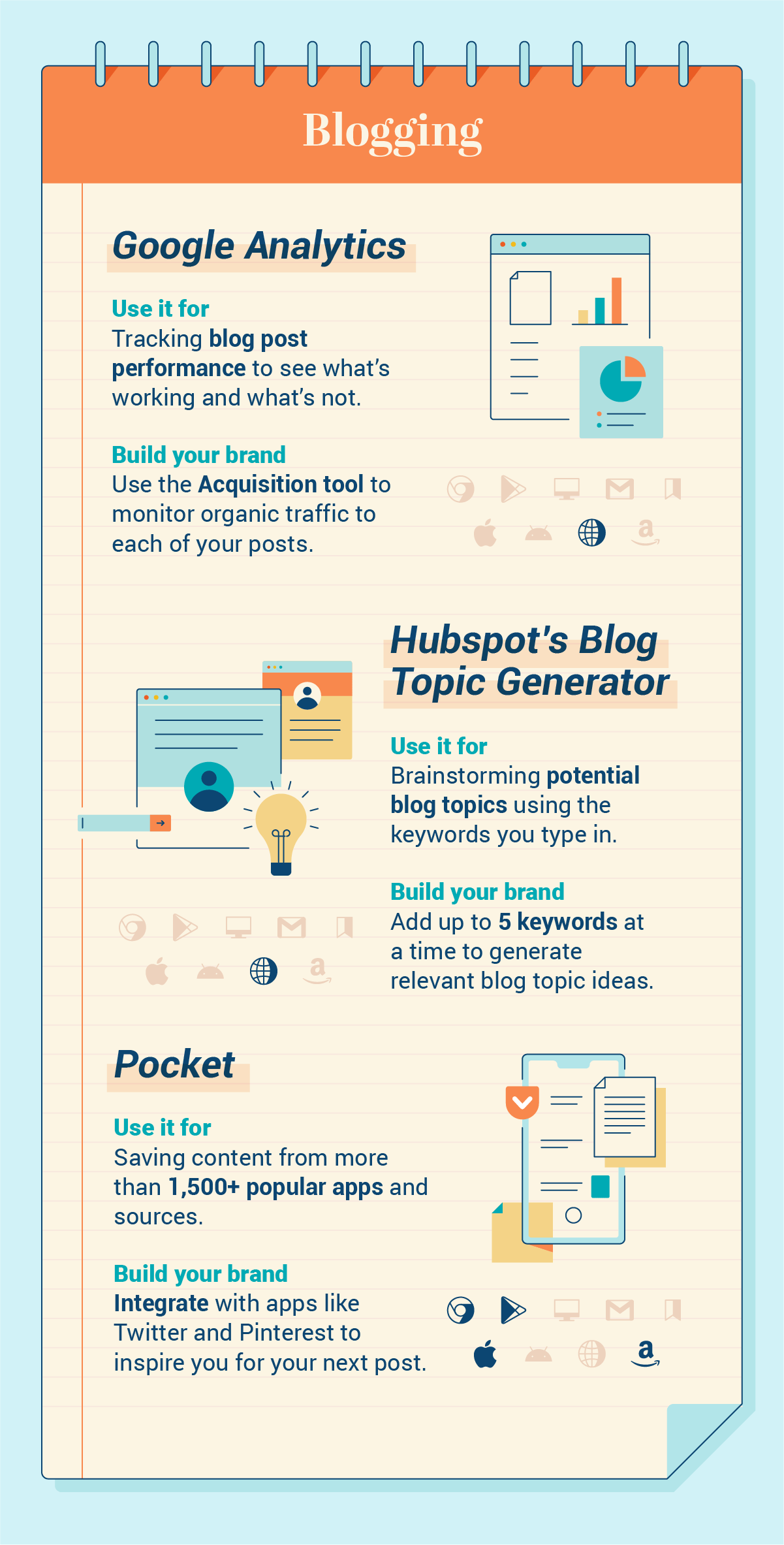
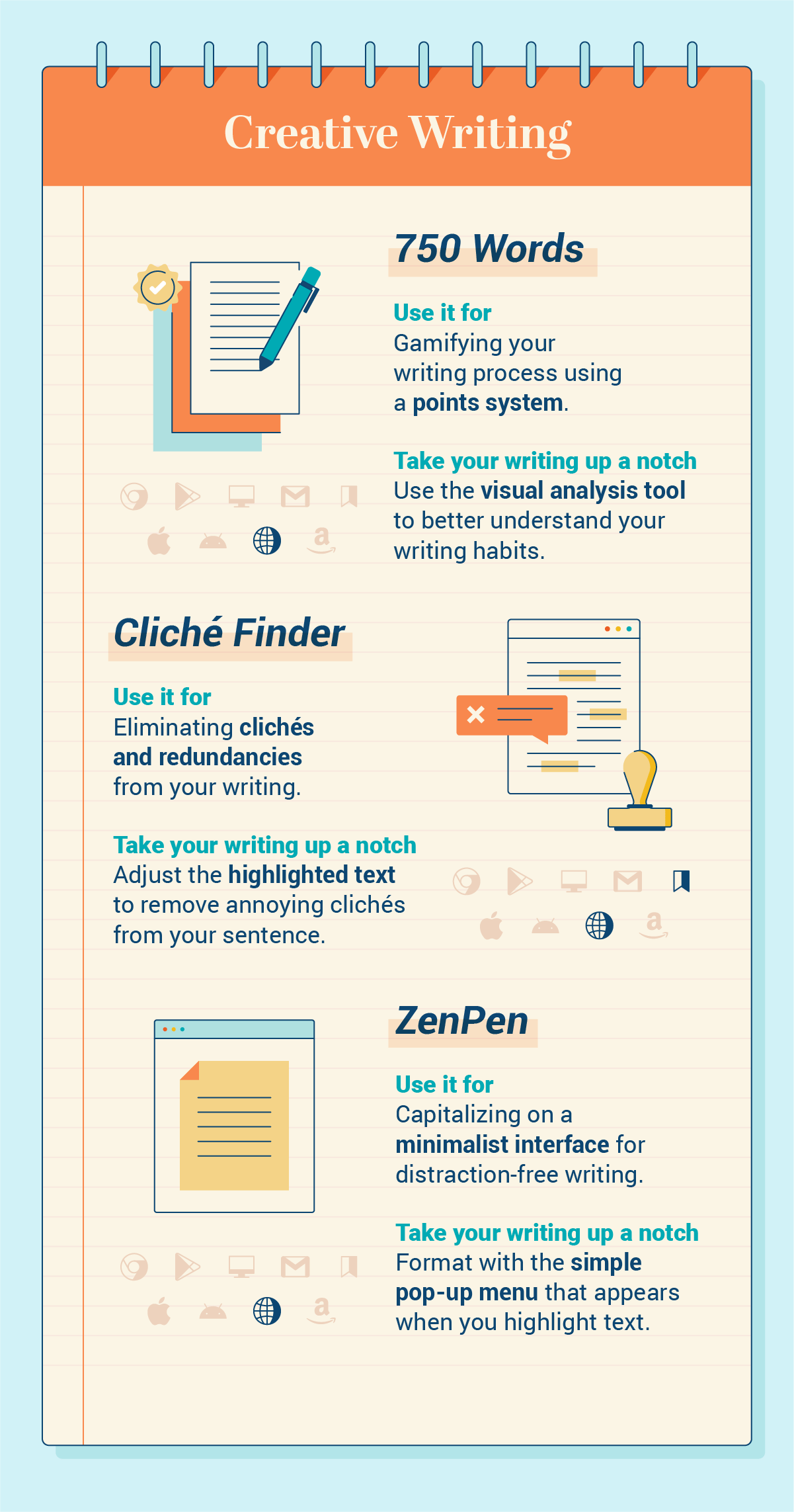
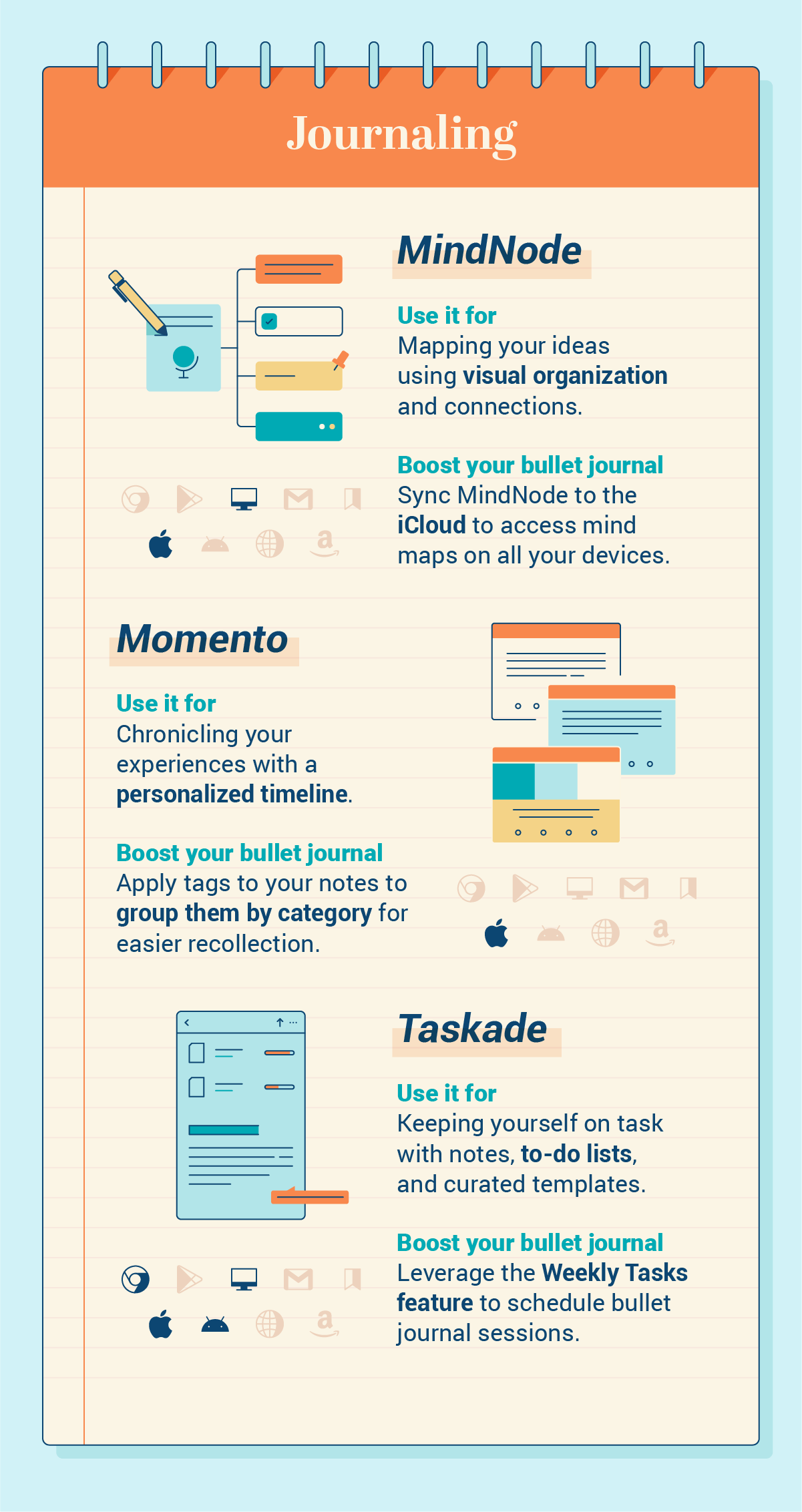
How your writing skills can be really improved with these free courses
 Source: Unsplash
How your writing skills can be really improved with these free courses.
Have you always dreamed of attending a prestigious university of Harvard or Yale, but never had the chance? Now you do, courtesy of Coupon Chief!
They’ve rounded up 98 of the best online writing courses offered by major universities in the U.S. that anyone can take (for free) to improve their writing skills.
From creative writing and journalism to business and technical writing, these courses are designed to help you improve grammar, structure, style, and content through practice and guidance.
Here’s a few course highlights from the post:
▪️English Composition I, offered by Duke University
▪️Modern Poetry, offered by Yale University
▪️Writing a Successful Grant Proposal, offered by Minnesota Council on Foundations
▪️Academic and Business Writing, offered by University of California, Berkeley
▪️Storytelling in the Workplace, offered by Rochester Institute of Technology
▪️Advanced Communication for Leaders, offered by MIT
▪️Storytelling for Social Change, offered by University of Michigan
▪️Writing in the Sciences, offered by Stanford University
▪️Communicating in Technical Organizations, offered by MIT
▪️Writing Case Studies: Science of Delivery, offered by Princeton University
▪️Writing for Social Media, offered by University of California, Berkeley
▪️Rhetoric: The Art of Persuasive Writing, offered by Harvard University
With all the free time we have on our hands right now, it’s important to be productive and use the time to level ourselves up professionally and personally.
These free online writing courses will help you do just that.
— Marielle Stroud writes for Coupon Chief on topics related to budgeting, personal finance, and e-commerce. In her free time, you’ll find her sitting on her front porch sipping sweet tea.


- Posted 5.30.20 at 06:55 am by Roy Osing
- Permalink