



Roy's Blog
December 21, 2018
How power words can be used to communicate better than anyone else
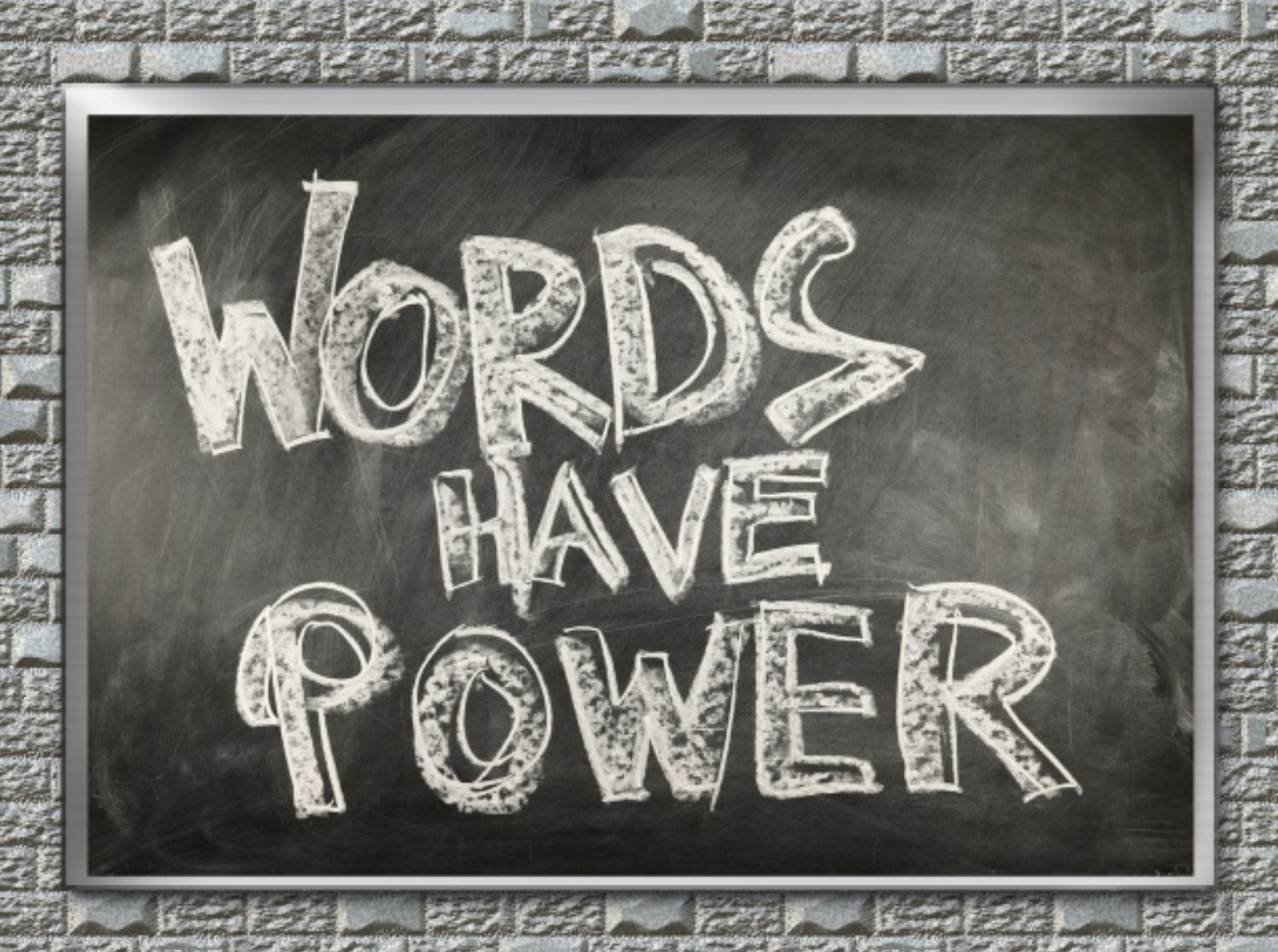
How power words can be used to communicate better than anyone else.
Word are persuasive. They can cajole, convince, and compel people to act.
They are the backbone of successful marketing. Selecting the right words that resonate with your audience can be an arcane art — but it doesn’t have to be.
By choosing power words that impact your customers’ emotions, you can lift your copy to dizzy new heights. Here’s how.
Recommended reading: If you can’t reason with people attack their heart.
The psychology behind words
As humans, we are unconsciously predisposed to act on words that convey emotions: fear, uncertainty, pleasure, desire, and so on. The words you use tap into unconscious emotions, which in turn compel your audience to act.
For instance, if you ask your friend to call you, you could expect a call tomorrow, the day after, or in a week’s time. But ask your friend to call you now, and you can expect a call instantly.
These words are known as power words, words that elicit a strong emotional response. This could be a positive one, such as happiness or excitement. But it could equally be a negative response, such as fear or anger.
Emotional states can be leveraged to compel people to act, with each emotion driving your own desired outcome.
Take your blog, for example. Your headline is the most crucial element in urging readers to click through and read.
And when readers see dozens of headlines everyday as they trawl the web, power words make yours stand out. “7 Tips For Writing Better Blog Posts” is fine. But “7 Secret Tips For Writing Inspiring Blog Posts” has that little extra pizzazz that makes it shine.
Different power words will evoke different emotional states that will compel the audience not just to click on your blog post, but to dig deeper into what the blog says.
But it’s not just clicks and views that you can get with power words. Ecommerce stores too can benefit from power word-laden product description that drive sales and boost profits.
Consider chocolate stores for example. Confectionery especially lends itself to sensual, powerful words such as “gooey” or “gourmet”, which evokes the senses and makes the customer’s mouth water.
So using power words in your product descriptions don’t just help you sell products — they even help you sell your business itself, giving it deeper intrinsic value.
Exclusivity is everything
I don’t need to tell you that temptation is a powerful thing. Power words that tease with the promise of value or reward are irresistible to your audience.
Some examples include:
Banned
Secret
Elite
What They Don’t Want You to Know
Controversial
Behind the Scenes
Insider
Forbidden
Confidential
Each of the above evokes feelings of intrigue and desire in the reader.
“Controversial” in particular is used regularly by gossip magazines to compel the reader to read on. It promises scandal and shock, urging people to buy their publications for more of the same.
Look at the example from Vogue below:
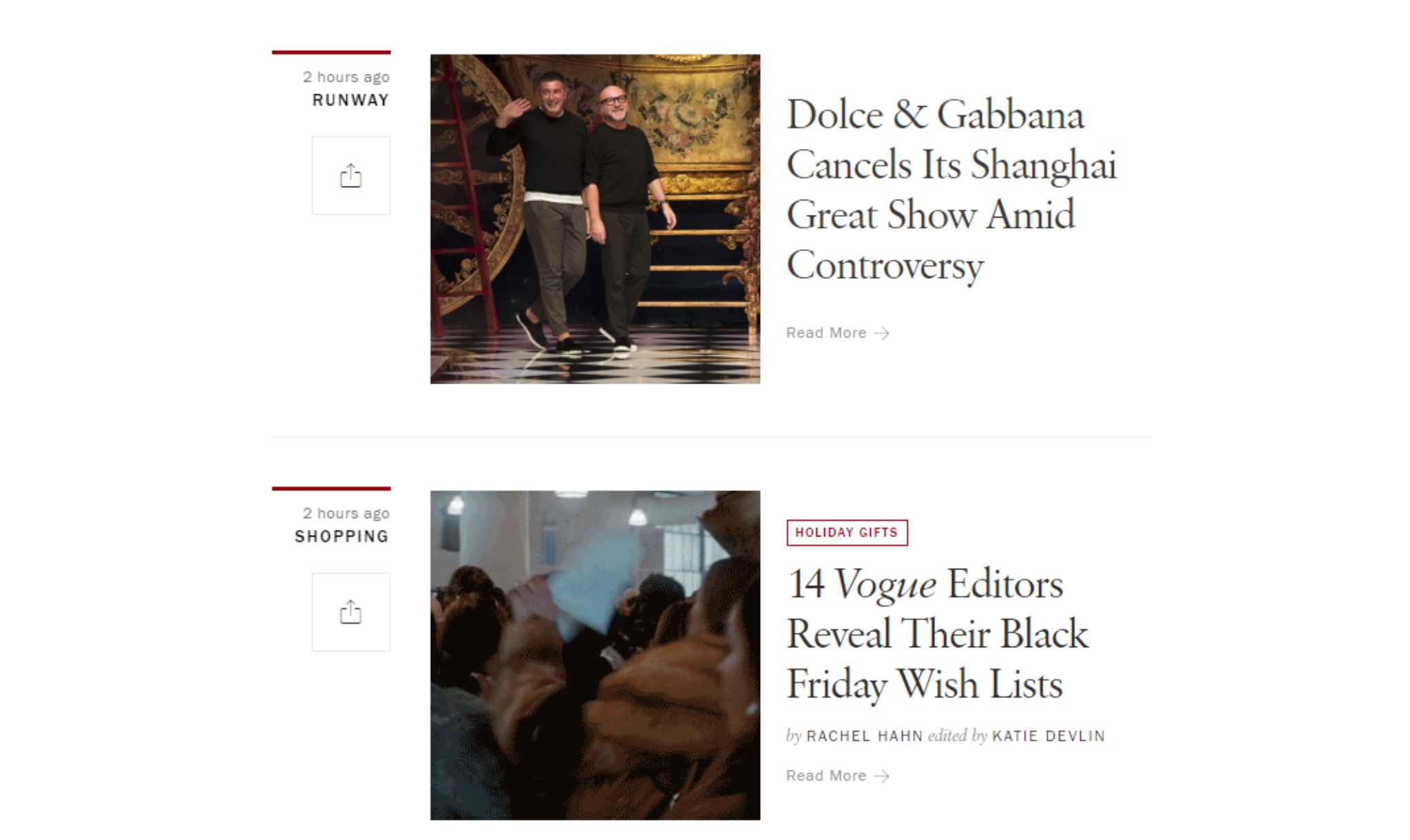
Source: Vogue
The use of “controversy” and “reveal” tantalize the reader, offering a glimpse into something no-one else has seen. Of course, this isn’t the case, but by using these power words, Vogue urges the reader to click through and read each piece.
Takeaway tip: your makeup tutorial isn’t just a makeup tutorial. It’s an “elite makeup tutorial from industry insiders”. Add value to your content by giving it exclusivity and tempting your audience into reading on.
The art of anticipation
Inspiring words can be that one thing that drives someone to do something to better themselves or lend a helping hand.
There will always be difficulties in life, but those problems are not what controls us as individuals or the world. These words can make your readers feel the same way.
Some examples of words that inspire and encourage include:
Hope
Passionate
Sensational
Courage
Bravery
Caring
Sacrifice (in the proper context)
Triumph
These words speak to our desire to better ourselves, to lift ourselves out of our current situation and into something better. By articulating these words, you stir these same emotions in your reader.
Takeaway tip: rather than selecting “useful writing quotes”, provide “inspiring writing quotes that will galvanize your writing today”.
The power of “free”
Nothing compels action more than the offer of something for nothing. Whether it’s a free product or a discount code, we can’t get enough of freebies.
Everyone could use a little more money, and even those rare few who don’t feel that way still take their finances seriously.
Giving people easy ways to earn or save money is a great way to build a readership. And it’s perfect for sales too. Adding a freebie or discount to a purchase will drive sales and engagement with ease.
Add these words to your website, online store, or blog:
Free
Savings
Jackpot
Rewards
Dollars
Sell
Sale
Discount
Fortune
Double
Triple
Gift
Increase
Gains
More
Takeaway tip: the words above are perfect for building email lists or boosting clicks. Offer a free downloadable ebook (in return for signing up) or the promise of increasing their sales (when they read your guide) to enhance your blog.
Fear is a powerful thing
Making people afraid will get their attention. We see this in the news all the time, as stories get conflated to apocalyptic proportions on a daily basis.
Sometimes, like with severe weather, this sort of fear-mongering is necessary to get people to listen and possibly save their own lives. Other times, it’s used to trick us into buying unnecessary amounts antibacterial soap.
Still, if you’re going to do it, here are some scary words.
Abuse
Prison
Debt
Terrorist
Risky
Assault
Crime
Victim
Toxic
Infectious
Nightmare
Lawsuit
Takeaway tip: while fear power words have their place, use them sparingly. Excessive usage will ultimately repel your readers rather than compel.
Your blog’s audience are people, and while people in any given demographic can have similarities, they are individuals. Words used in one way will have a different effect on different audiences.
Pay attention to which words and phrases get the most engagement and reaction from your readers, and use them accordingly.
— Victoria Greene is a freelance writer and brand consultant. She writes over at VictoriaEcommerce. Here, she likes to share tips for wannabe thought leaders looking to make an impact online.

- Posted 12.21.18 at 03:14 am by Roy Osing
- Permalink
Feedback
To share your thoughts, please contact Roy.