



Roy's Blog
August 8, 2020
6 brand-building strategies startups can use to compete with big brands
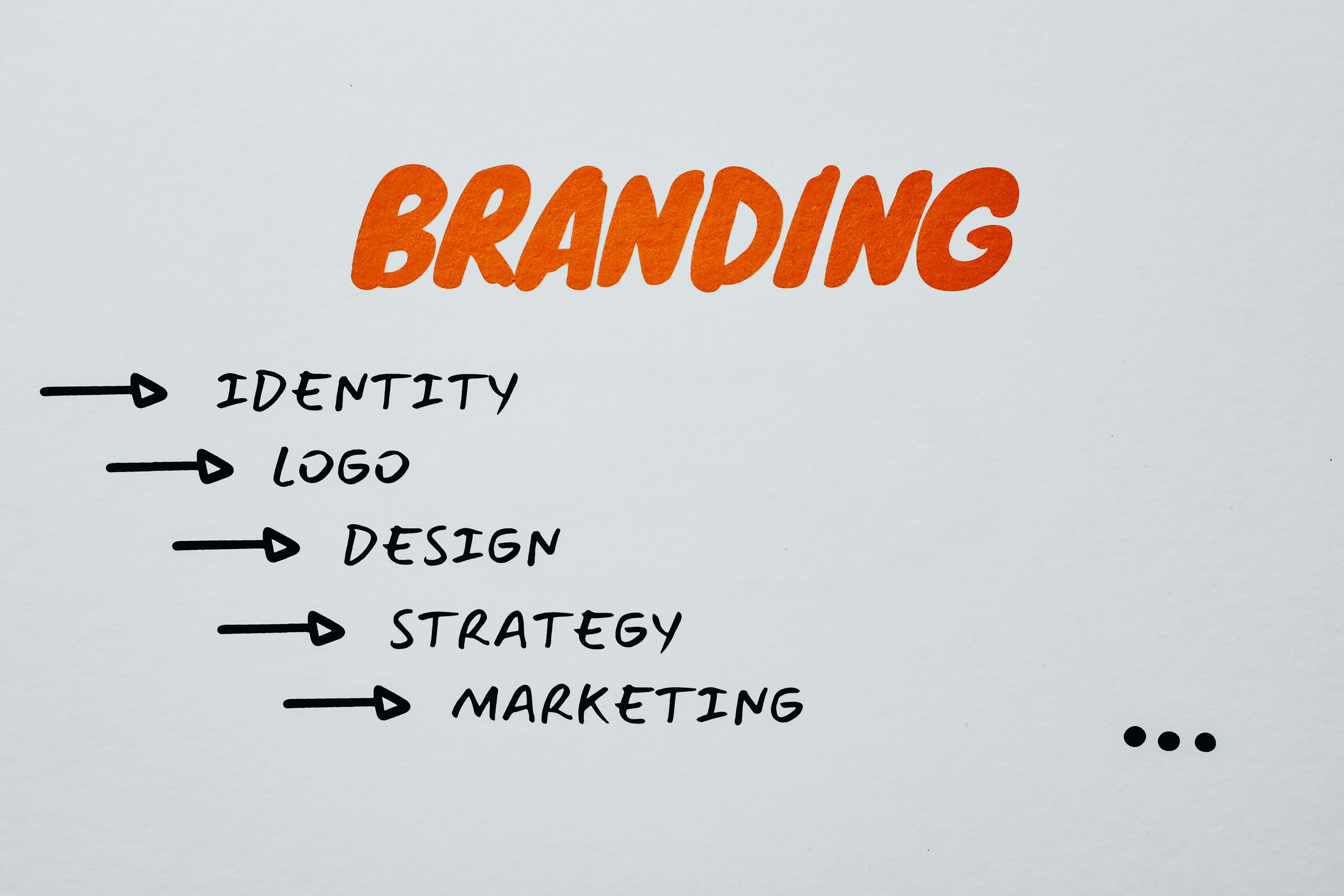
Source: Pexels
6 brand-building strategies startups can use to compete with big brands.
For every successful startup, there are at least a dozen that don’t see the light of the day. Many startups fail, not because of their intentions or the quality of their product, but because they couldn’t build a brand and set themselves apart from the competition.
Brand building is an integral part of business development and growth. Establishing a brand is challenging, even when you have ample resources at your disposal. It is more challenging for startups since they are new players in the market and often face budget and time constraints.
Being at a growing phase, startups struggle to compete with the business giants that have already established themselves as a brand. In such scenarios, you should be familiar with the right branding tactics to maximize your popularity among customers as a startup.
In this blog, we’ll explore essential brand-building strategies that will not only help you get started but also compete with the big brands in your niche. But before we dive into the nitty-gritty of branding, let’s define what we mean by brand building.
What is brand building?
Brand building is the process of promoting products or services of a business to consumers. The goal is to create a positive, unique, and lasting image of your business in the marketplace.
Creating a memorable impression and maintaining it over time can be a demanding task. However, a positive image is something that startups can’t afford to overlook because it provides a basis for all your communications, marketing, and promotional campaigns.
To help you start on the right foot, here are a few brand-building strategies that you can adopt to grow your startup in a saturated marketplace.
Brand building begins with a good name
Brand name plays a key role in what customers will think of the business. Unfortunately, many people rush to give their business a title and end up with terrible brand names. Take your time and choose a name that is easy to pronounce and makes sense.
It is said that you have 7 seconds to make a good first impression. If the consumers spend that seven-second window only to pronounce and understand your name correctly, then you are not on the right track. Therefore, choose an easy name that is relevant to your brand and clearly conveys the brand’s message.
Differentiate yourself
You may have a brilliant business idea and product concept; there is a good chance that someone else already has a similar product in the market. You need to research the marketplace and identify how your brand will stand out from your competitors.
Offer a unique value proposition and position yourself in a way that the users can see the advantage that your brands have over your competitors.
For startups, it can be the only way to survive and compete with established brands. Look for ways to be different no matter small or insignificant the difference might seem.
Create a visual identity
A startup’s visual identity goes a long way in the branding process. There are many factors that go into a visual identity, including the brand’s logo, the images posted on the web pages, fonts, textures, and the color scheme used across the media. Come up with a professional logo design and create photos that clearly and accurately represent your brand.
Since you will be working on a range of different platforms to build a visual identity, make sure that the communication remains consistent across all the touchpoints where potential customers will encounter the brand. This will ensure that you convey the right values and be perceived the way you want and not the other way around. A good way to achieve consistency in branding is by creating a written document that will govern your branding and style guidelines.
Build your social media presence
The importance of social media presence cannot be emphasized enough for brand building. Social media can be a powerful tool to gain exposure and reach your relevant audience. Think of LinkedIn, Facebook, Twitter, and Instagram to create a voice for your brand.
Research your target market and identify the platforms that your target audience actively uses. Once you identify the best platforms, it is time to create a company profile and utilize the power of the platform. Make sure that the pictures and cover photos you use match the brand’s visual identity.
To keep things simple, use the same logo and images you use on your website. Additionally, be consistent in communication and use language that accurately conveys the brand’s message in every post.
Utilize the power personalization
Tailoring your brand to your customers’ individual needs can have a massive impact on your brand building campaign. Personalization will, however, require extensive research of the market so that you can identify user’s interests and what makes them more likely to purchase a product.
Encourage users to interact with your brand and tailor the experience based on their interaction with the brand. Top brands always try to improve personalization and build products that meet customers’ needs and preferences.
Tell a story
When you look at the successful brands today, they all have a cult following based on their stories. For years, parents, teachers, and politicians have understood the power of stories, and you can utilize the same power in your brand-building efforts.
Share where your company comes from, and what inspired you to create the product that you currently offer. The deeper you dig into your brand’s background, the more you will understand your motivation, values, and purpose.
Wrapping up
Brand-building plays a vital role in a startup’s success. It will stand you apart from the competitors and help you build a lasting image in the marketplace. The above strategies will not only help startups with the process of brand building but also pave their way for long-term success. You only need to be clear about them and the way you will implement them.
— Alma Causey is a mother, wife, logophile and a professional blogger by choice. She has completed her masters in English literature from the University of Groningen. With her unique approach towards content marketing, she brings worth a second read blogs to life. Oh, Alma is incomplete without cats. Find her on Twitter: @Almacausey. And you can check out some of her past work at Muckrack.

- Posted 8.8.20 at 06:00 am by Roy Osing
- Permalink
Feedback
To share your thoughts, please contact Roy.